Comparing Furniture Manufacturers Without Relying on Brand Names
Seven construction variables set the price and service life of upholstered furniture. Eight questions that produce specifications, what brand reputation.
, Dubai
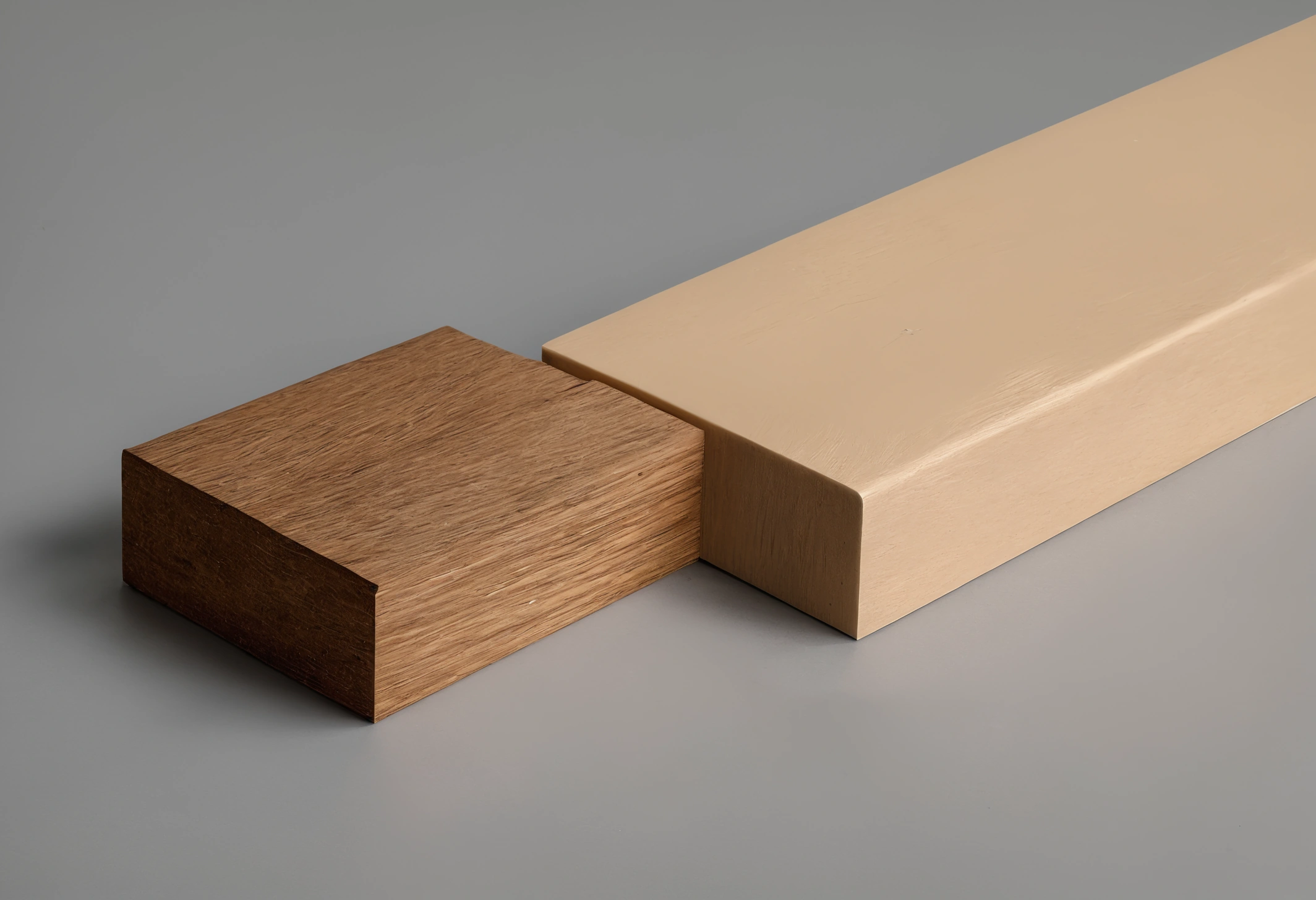
Brand reputation is a summary of past decisions, not a specification of the piece in front of you. Two sofas from the same manufacturer, in the same collection, can differ in frame material, suspension and fill because they occupy different positions in that manufacturer's range. Comparing construction directly produces better decisions than comparing names.
The seven construction variables that set price and service life
Seven variables account for most of the price difference between upholstered furniture at different levels, and every one of them can be asked about directly. A manufacturer that answers all seven precisely is describing a specification. A manufacturer that answers in adjectives is describing a feeling.
| Variable | Entry level | Mid level | Upper level |
|---|---|---|---|
| Frame material | Particleboard or MDF with softwood rails | Kiln-dried softwood with plywood gussets | Kiln-dried hardwood, beech or ash |
| Joint type | Staples and butt joints | Dowelled and glued with corner blocks | Mortise and tenon, glued, screwed and blocked |
| Suspension | Elastic webbing | Sinuous steel springs | Hand-tied springs or high-tension strapping over solid rails |
| Seat fill | Single-density polyurethane foam near 25 kg per cubic metre | High-resilience foam 30 to 35 kg per cubic metre | Layered high-resilience foam with feather or down wrap |
| Cover construction | Fixed, stapled | Partly removable | Fully removable and replaceable covers |
| Cushion interior | One-piece foam block | Foam core with fibre wrap | Channelled or baffled chambers preventing fill migration |
| Expected service life | 3 to 6 years | 8 to 12 years | 20 years with reupholstery at year 12 to 15 |
Frame material is the variable that determines whether reupholstery is ever worth doing. A hardwood frame justifies the labour cost of recovering a sofa two or three times across its life. A particleboard frame does not, which makes the piece disposable regardless of how good the fabric on it was. Background on kiln drying explains why moisture content in the frame timber governs long-term stability.
Questions that produce specifications rather than reassurance
Eight questions convert a sales conversation into a technical one. Each requires a number, a material name or a yes-no answer, which removes the possibility of a satisfying answer that means nothing.
- What species is the frame timber, and is it kiln-dried.
- What joint type is used at the frame corners.
- What is the seat foam density in kilograms per cubic metre.
- Are the seat cushions channelled or baffled to prevent fill migration.
- Are the covers removable, and are replacement covers available later.
- What is the abrasion rating of the fabric under consideration.
- What is the confirmed factory lead time in weeks for this configuration.
- Which components can be replaced individually, and for how long will parts remain available.
A specification that can be written down can be compared. A reputation cannot be compared, because no two people mean the same thing by it.
Where brand reputation still carries real information
Brand reputation is not worthless, and treating it as pure marketing misses what it genuinely encodes. Three things travel with a long-established manufacturer that a specification sheet does not capture.
- Parts availability over time
- A manufacturer trading continuously for decades is more likely to supply a mechanism or a cushion insert in year eight. Continuity of ownership and production is the underlying variable.
- Consistency between the sample and the delivery
- Established quality control means the delivered piece matches the showroom model. Inconsistency is the failure mode buyers cannot inspect for in advance.
- Design rights and lawful production
- Manufacturers producing their own designs carry the rights to them, which removes any question about the legitimacy of the piece.
None of the three is visible in a photograph, and all three are worth paying for. What reputation does not tell a buyer is whether a specific model in a specific configuration suits a specific room, which is where the construction variables take over.
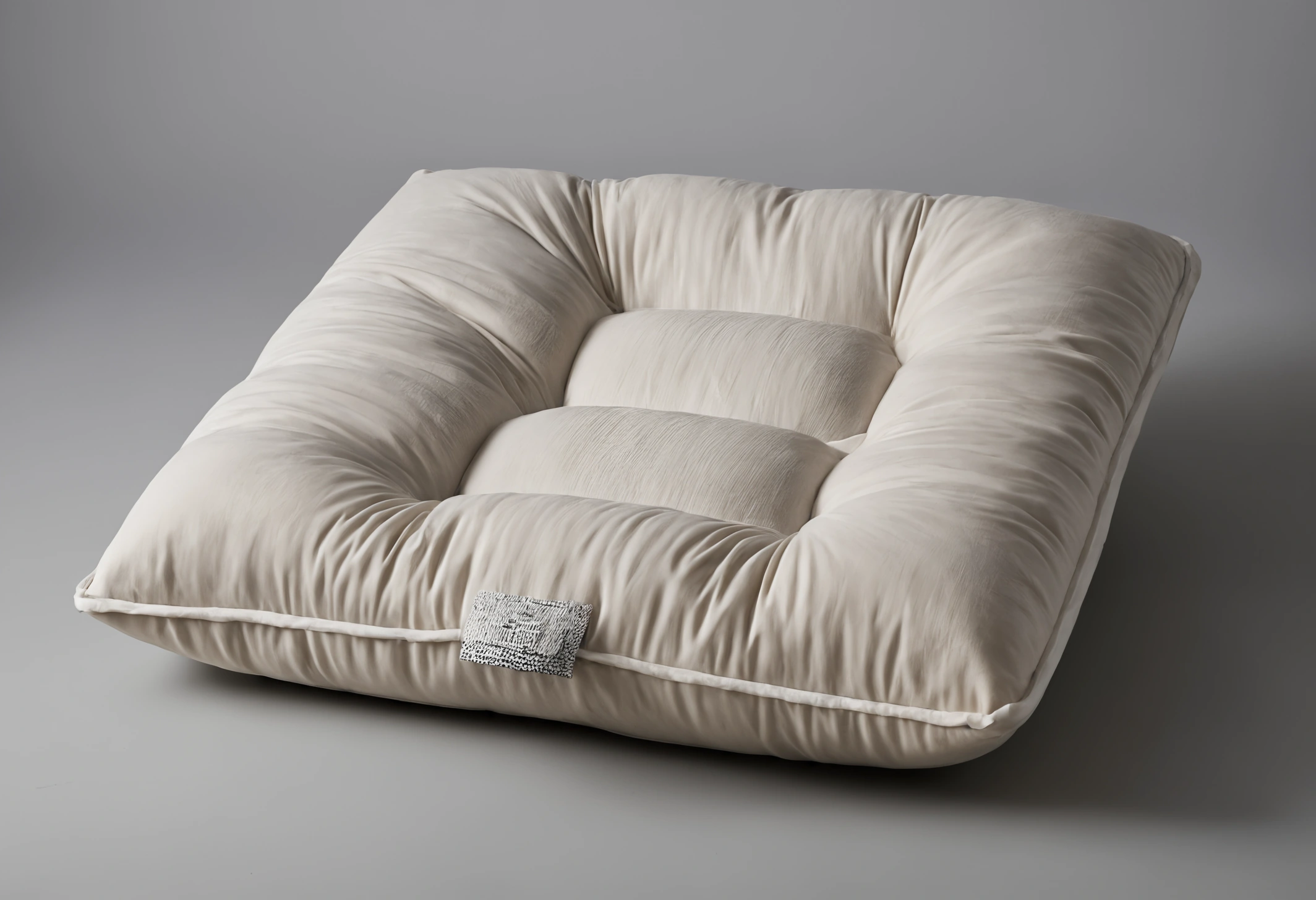
Comparing case goods rather than upholstery
Cabinets, sideboards and tables are compared on different variables from seating, because the failure modes differ. A sofa fails through fill collapse and frame racking. A cabinet fails through veneer lifting, door misalignment and drawer wear.
- Carcass material. Veneered plywood or high-density MDF against particleboard. Screw retention and edge stability differ substantially.
- Veneer thickness. Thicker veneers survive refinishing. Paper-thin veneers cannot be sanded even once.
- Drawer construction. Dovetailed or dowelled solid timber boxes against stapled boxes, and the load rating of the runners.
- Hardware. Hinge and runner brand and cycle rating, which is published by hardware manufacturers and rarely by furniture retailers.
- Back panel fixing. A back panel let into a groove rather than pinned to the rear edge indicates a carcass built for rigidity.
Hinge and runner cycle ratings are worth requesting because they are objective. Quality hardware carries a published cycle test figure, and a cabinet using rated hardware will list it. A retailer who cannot name the hardware manufacturer is selling a cabinet whose most-used component is unspecified.
What the fabric grade system actually means
Fabric grades in furniture pricing reflect the cost of the material and the difficulty of applying it, rather than a quality ranking. A high grade indicates an expensive or difficult fabric, not necessarily a more durable one, and some of the most durable fabrics sit in lower grades.
Three properties matter independently of grade: abrasion resistance, light fastness, and cleanability. In a climate with strong daylight, light fastness deserves the most attention, since a fabric with excellent abrasion resistance and poor light fastness will fade long before it wears. Showrooms selling Italian furniture hold the manufacturer's technical data for each fabric, and the light fastness rating appears there even when it is absent from the sample tag.
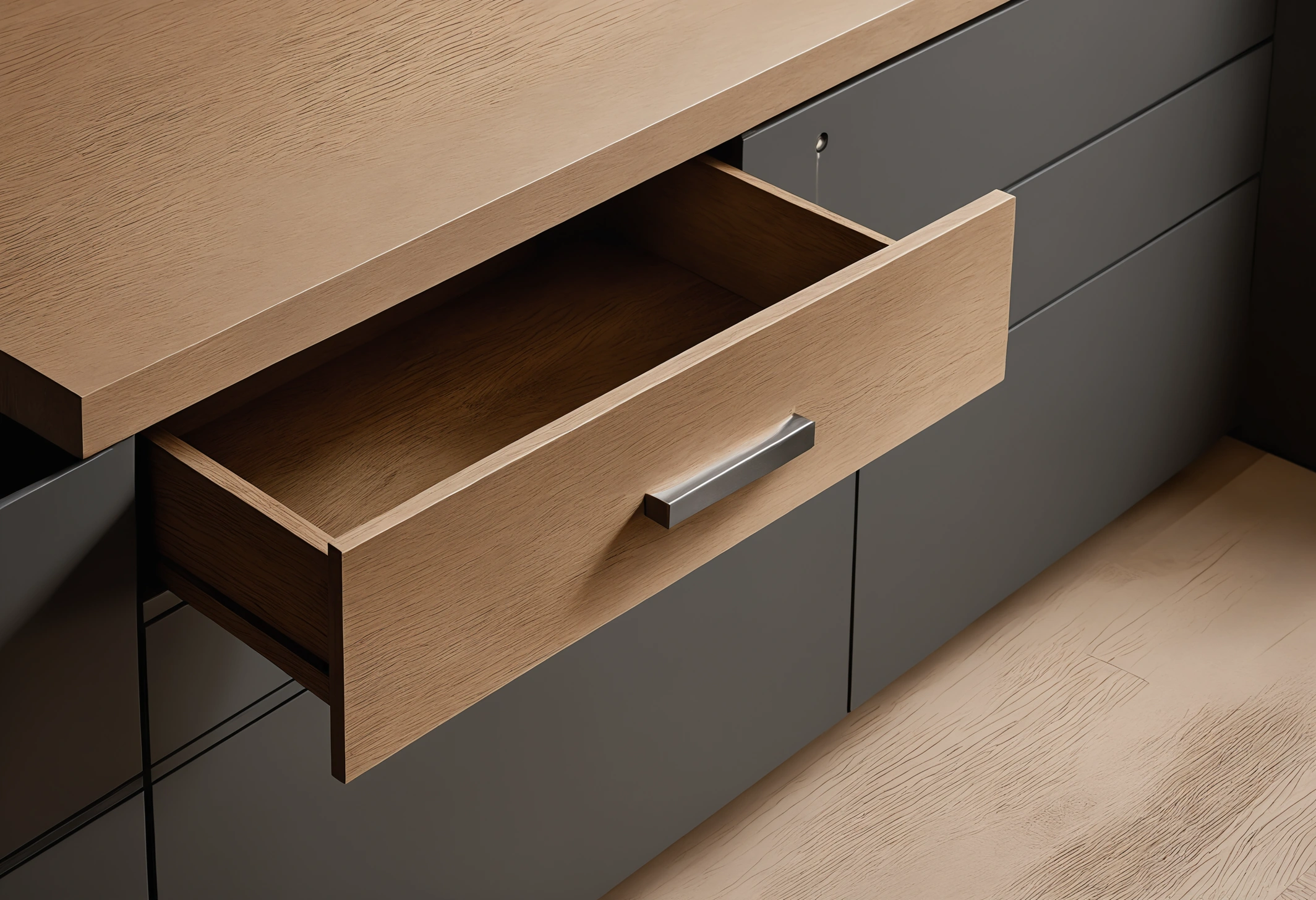
How the comparison changes for a whole project
Comparing individual pieces is straightforward. Comparing suppliers for a complete property involves different variables, because a project succeeds or fails on coordination rather than on any single item.
Four project-level variables outweigh per-piece construction differences once a whole property is involved: whether one party is accountable for the full schedule, whether lead times across suppliers have been reconciled into a single programme, whether storage exists for early deliveries, and whether installation is carried out by the supplier or subcontracted. Studios delivering interior design and furnishing in Dubai under one contract answer all four in the appointment rather than during delivery week.
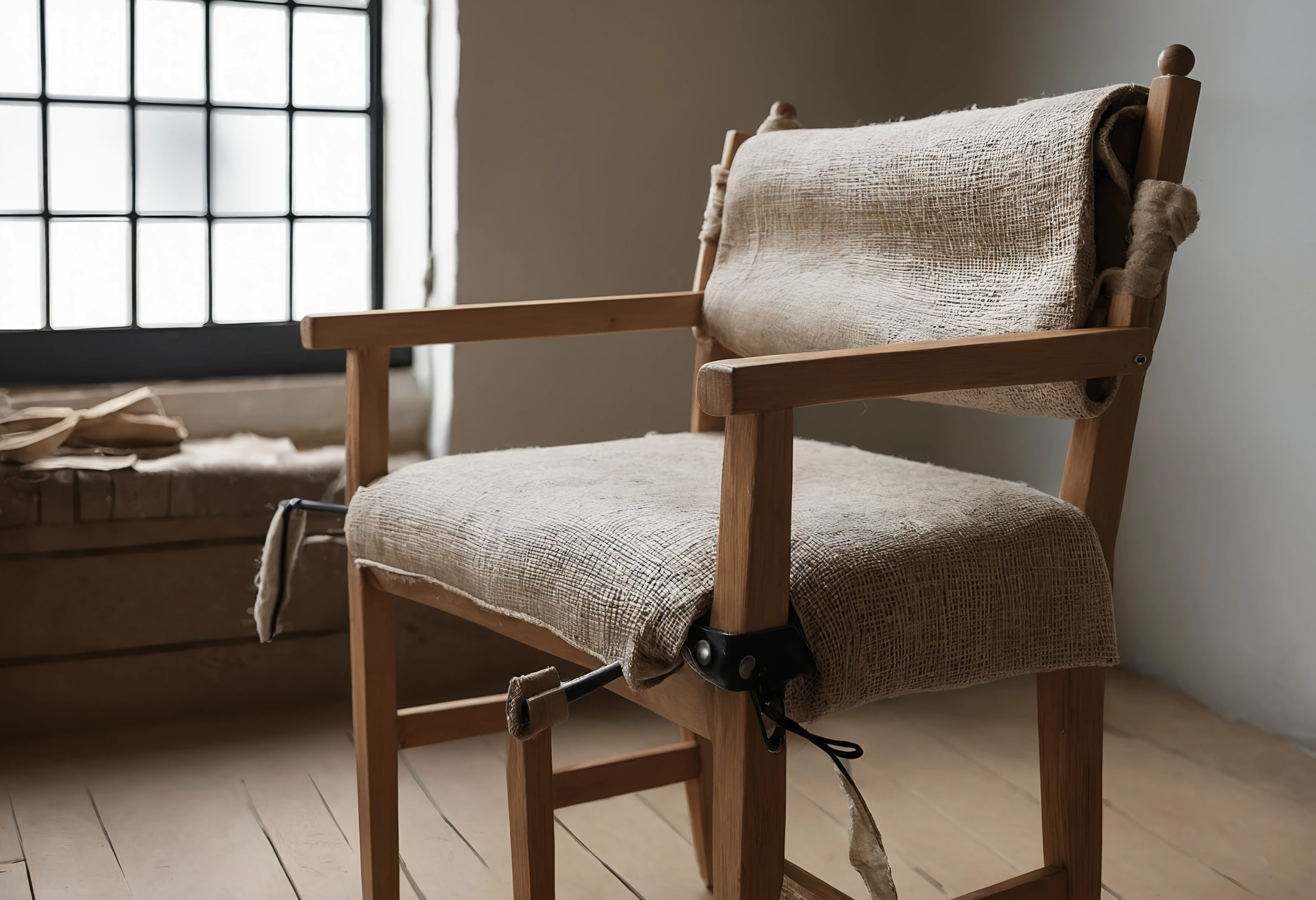
A comparison method that fits on one page
Write the seven construction variables down the left of a page and the candidate pieces across the top. Fill the grid with answers obtained from each supplier. Any cell that cannot be filled is information in itself, since a manufacturer that publishes foam density and a manufacturer that declines to are making different statements about their product.
Completed grids tend to produce a result that surprises buyers, because pieces at very different prices sometimes share construction and pieces from the same maker sometimes do not. Both outcomes are useful, and neither is visible from the brand name on the label. Further background on the craft itself is documented at upholstery.