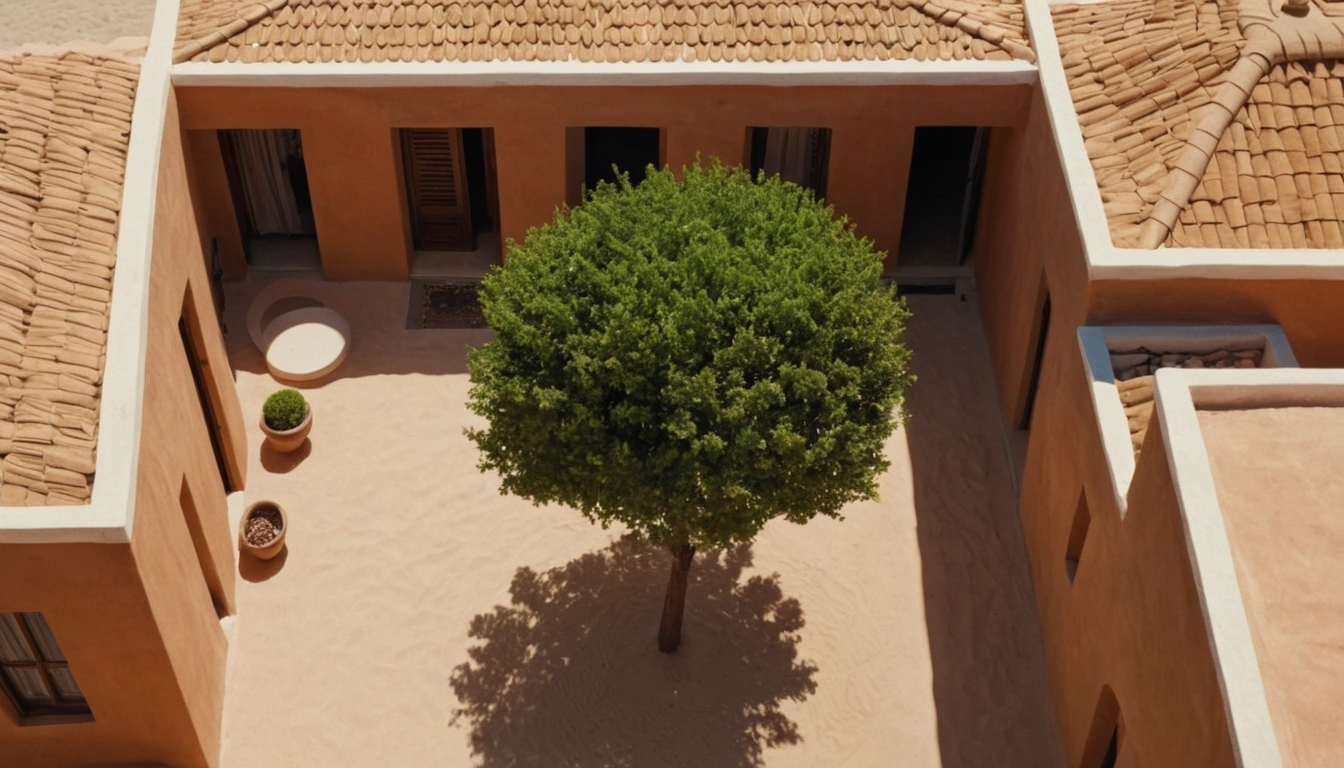
Why the Courtyard House in Dubai Is Coming Back
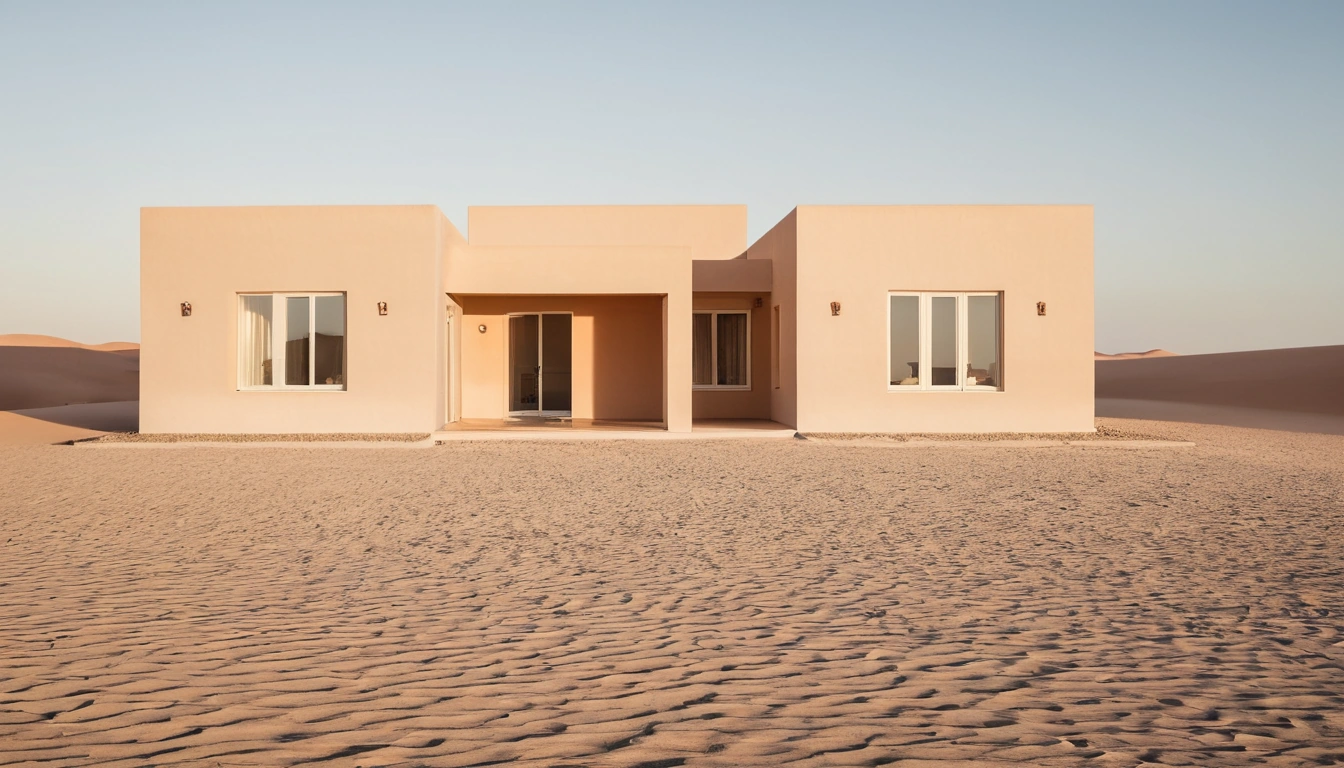
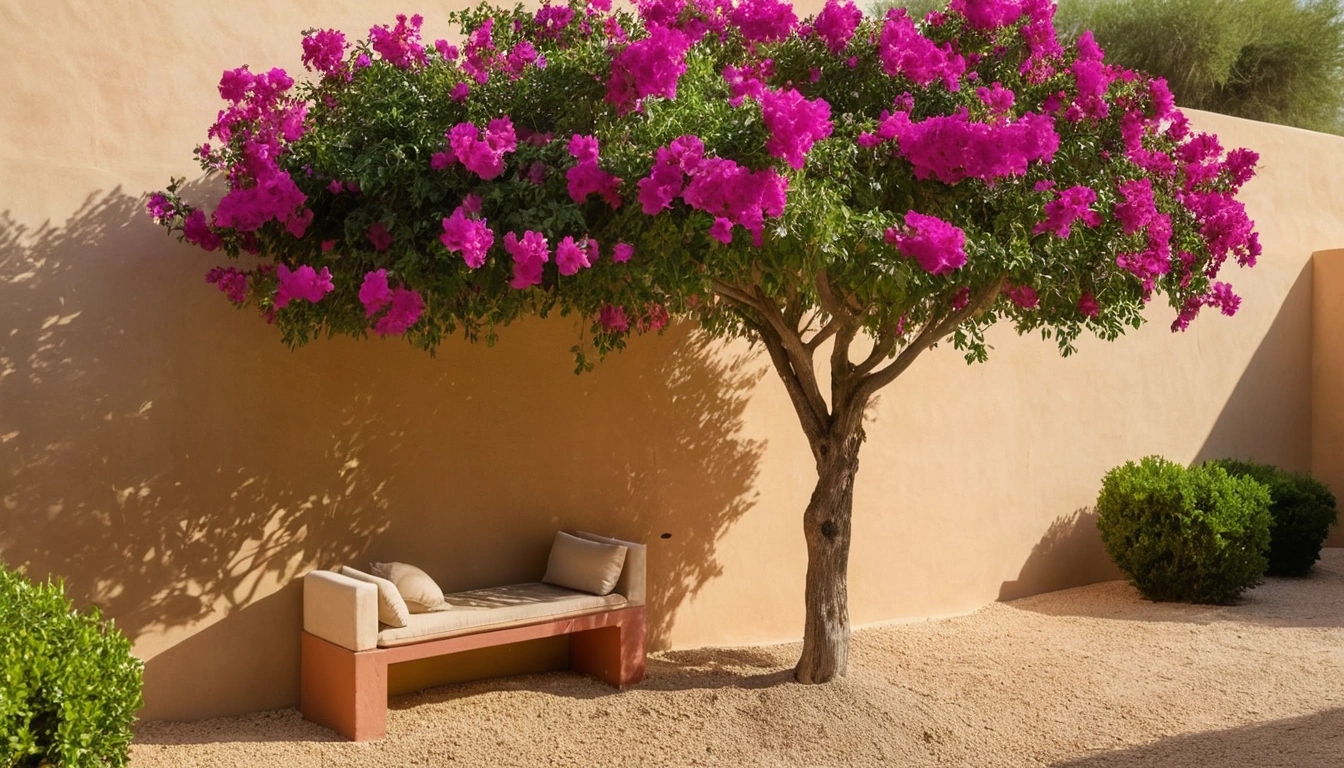
Long before the boundary wall and the tinted window, the Gulf kept its privacy the elegant way: it turned the house inside out and gave every room a private square of sky.
Architecture, Design, Interiors, Style, Living — a Dubai home journal
Seven construction variables set the price and service life of upholstered furniture. Eight questions that produce specifications, what brand reputation.
Long before the boundary wall and the tinted window, the Gulf kept its privacy the elegant way: it turned the house inside out and gave every room a private square of sky.
Before mood boards and marble, a villa succeeds or fails on where it points. Reading the sun across a plot costs nothing on day one and pays, or punishes, for decades.
Salt on the breeze, ultraviolet by the kilowatt and a wall that is one temperature at dawn and quite another by three. Choosing a facade here is choosing how a building will age.
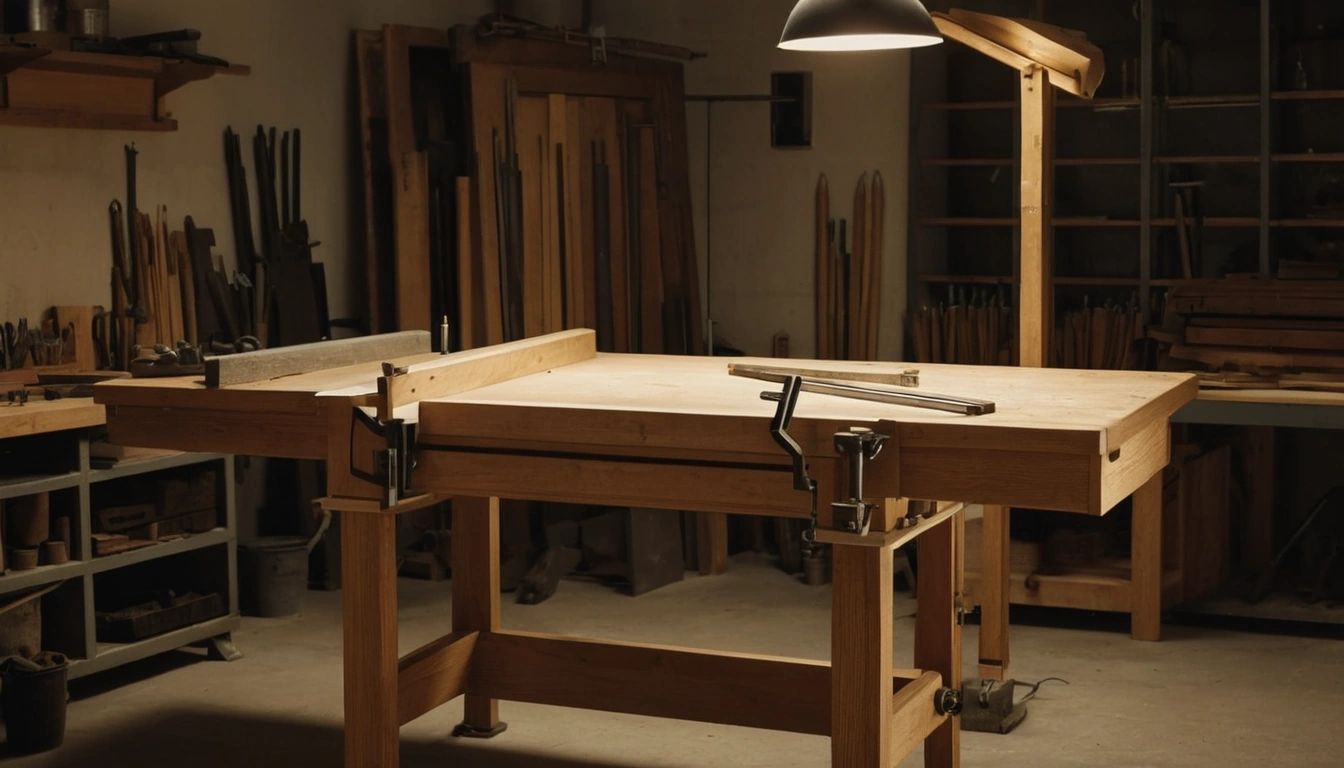
Between Al Quoz and Ras Al Khor sits a workshop economy that can build almost anything. The difference between a commission you keep for decades and one you regret is decided before the saw starts.
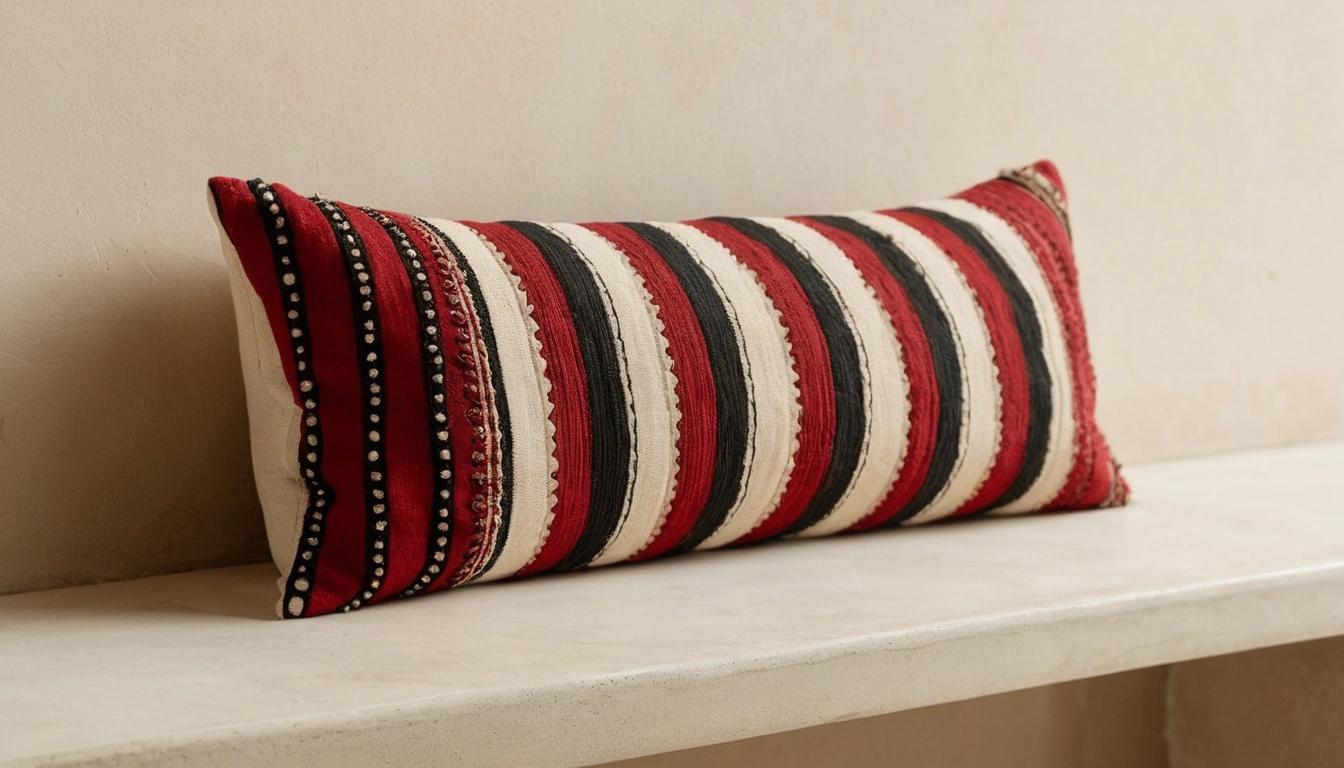
Sadu, khoos and carved gypsum survived the concrete decades. Used at the right dose they give a contemporary Dubai interior a memory; used everywhere, they turn it into a lobby.
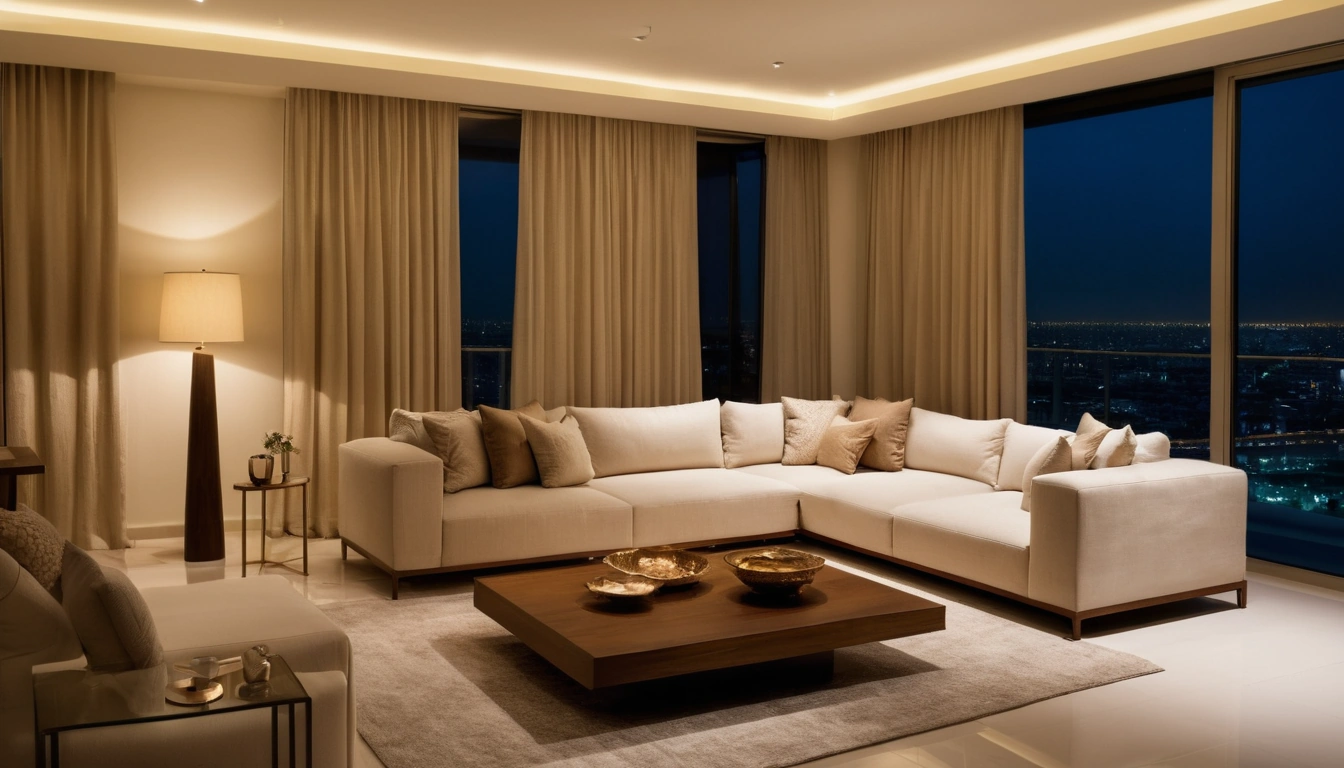
Developers hand over ceilings, not lighting schemes. A few lamps, disciplined colour temperature and a dimmer or two will do more for an apartment than any single piece of furniture you could buy.
Floor plans get argued over for weeks and vertical proportion gets decided by whoever installs first. Four horizontal lines set the perceived height of a room, and three of them are still free when a flat is handed over.
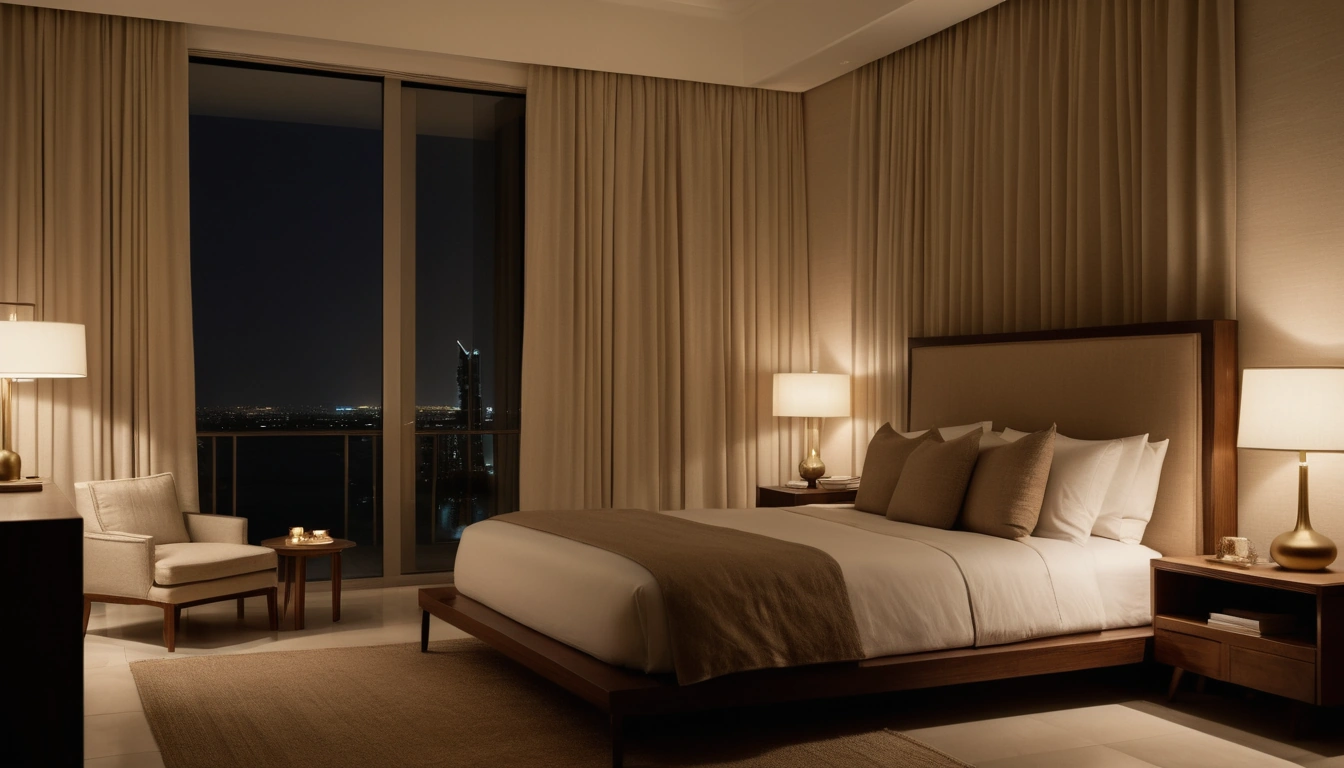
Good August sleep is engineering: darkness, air, temperature, and the war on small green lights. A practical guide to a bedroom that stays on your side until morning.
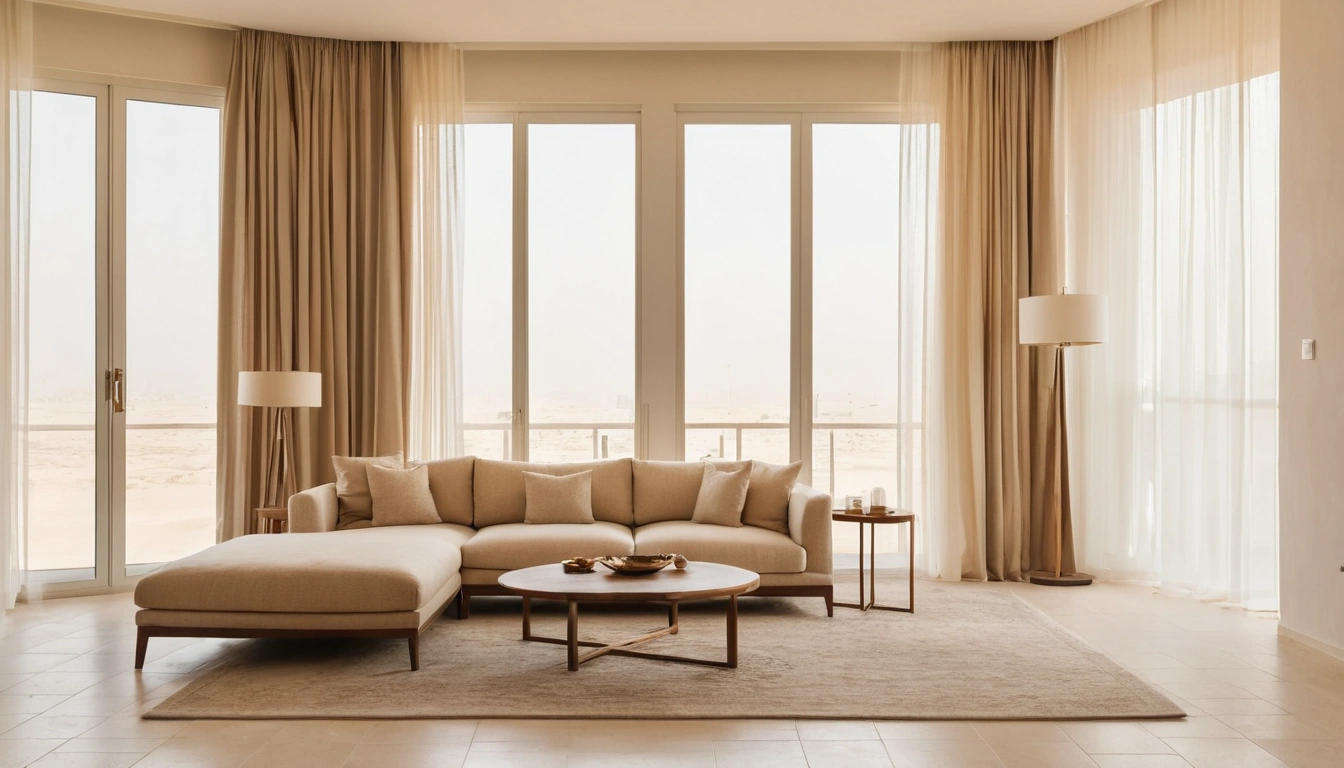
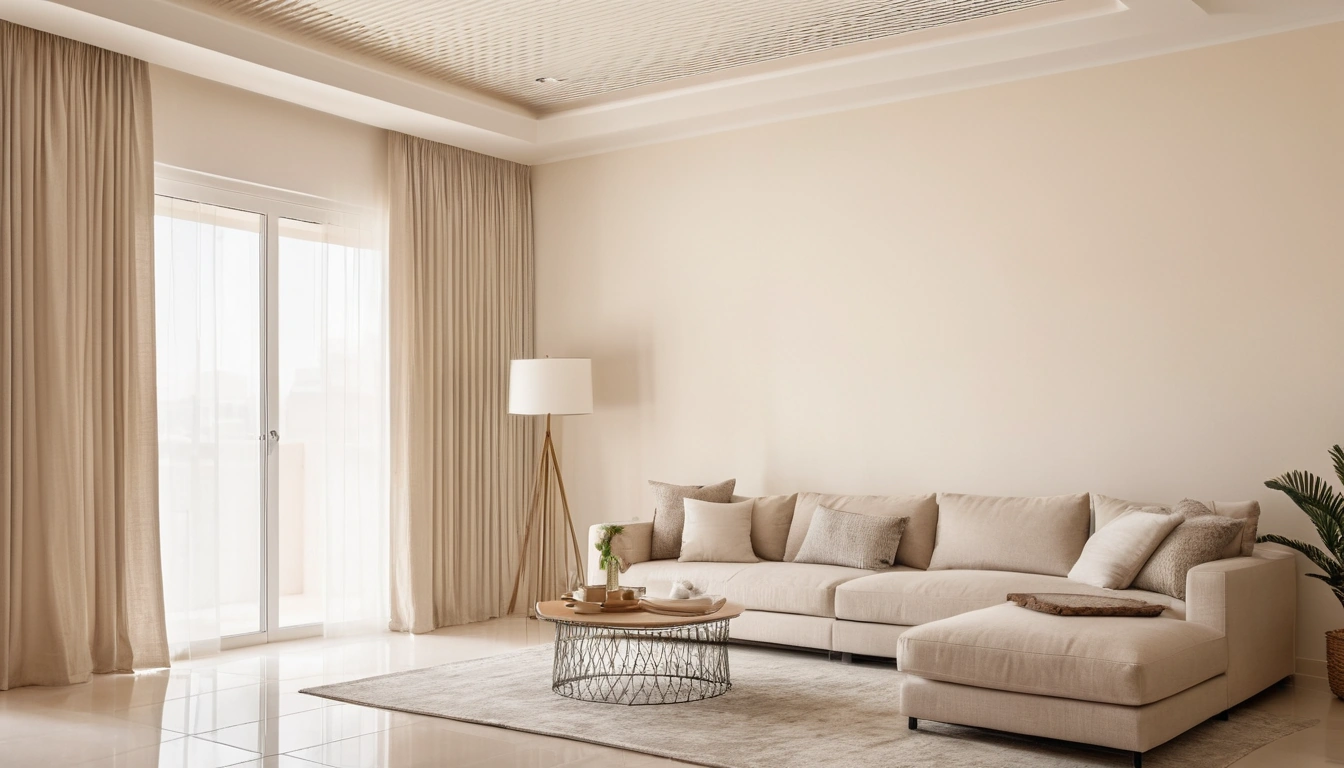
Glass walls make Dubai flats bright and, from May to September, slightly punishing. Window treatments are the cheapest climate control you will ever buy; the trick is layering them properly.
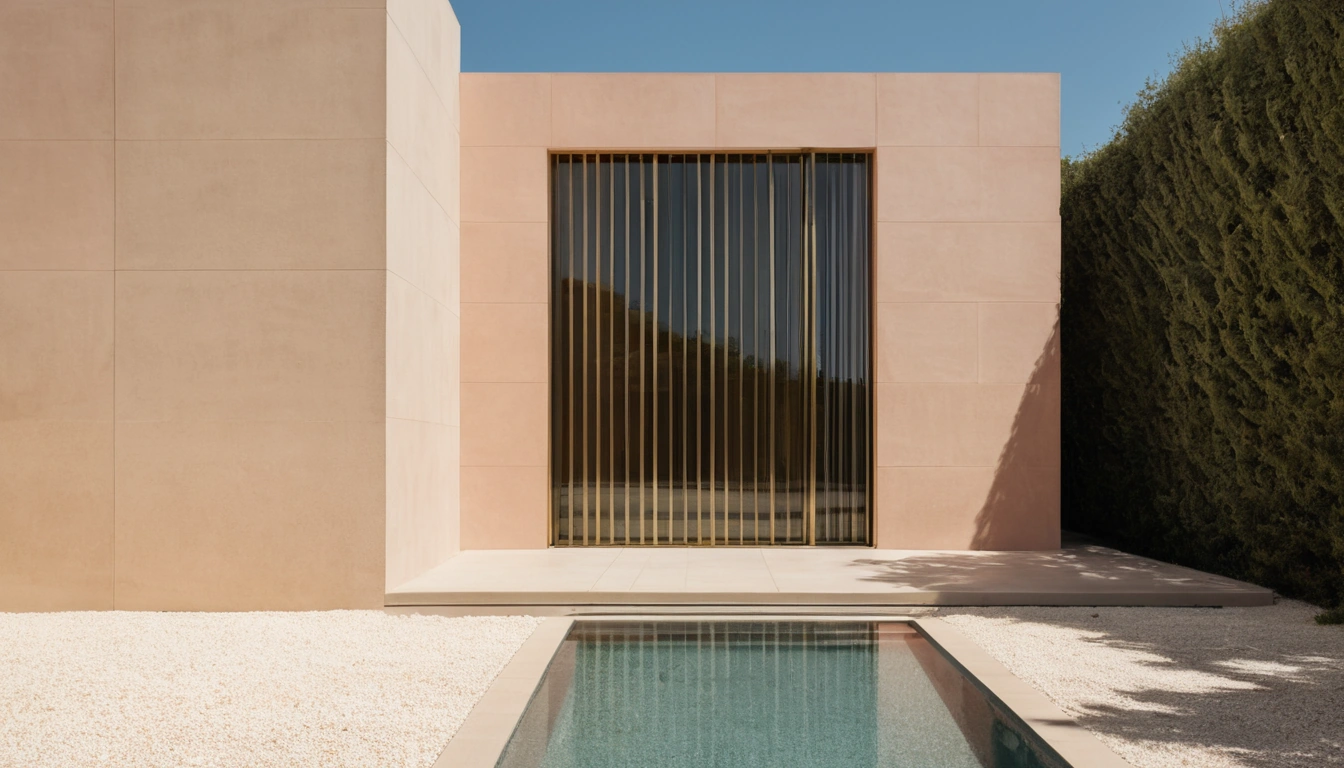
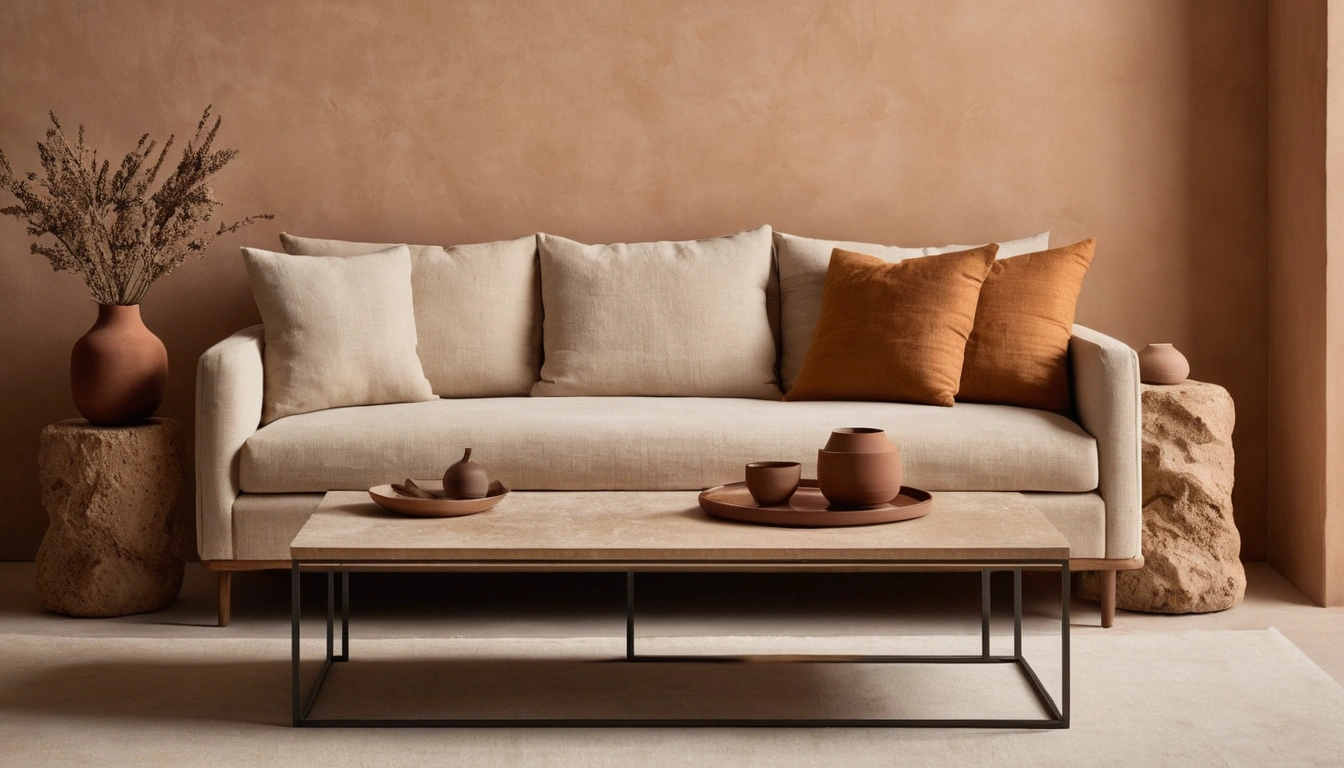
The desert is rose at dawn, ochre at noon and violet by evening. A room that borrows those hours honestly will never read as beige.
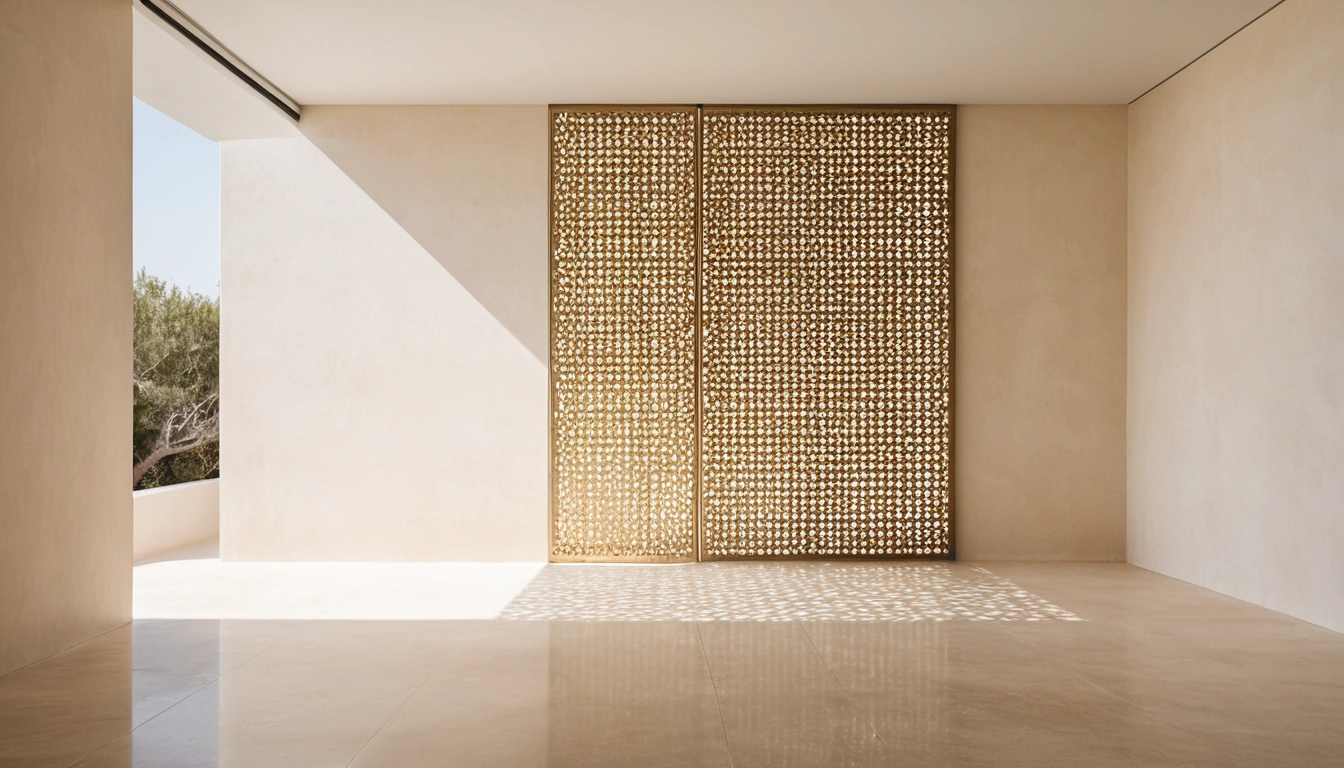
Geometry that once managed light, air and privacy has been flattened into a lobby cliché. Used at the right scale, in the right material, it still does what it always did: turn sun into shadow.
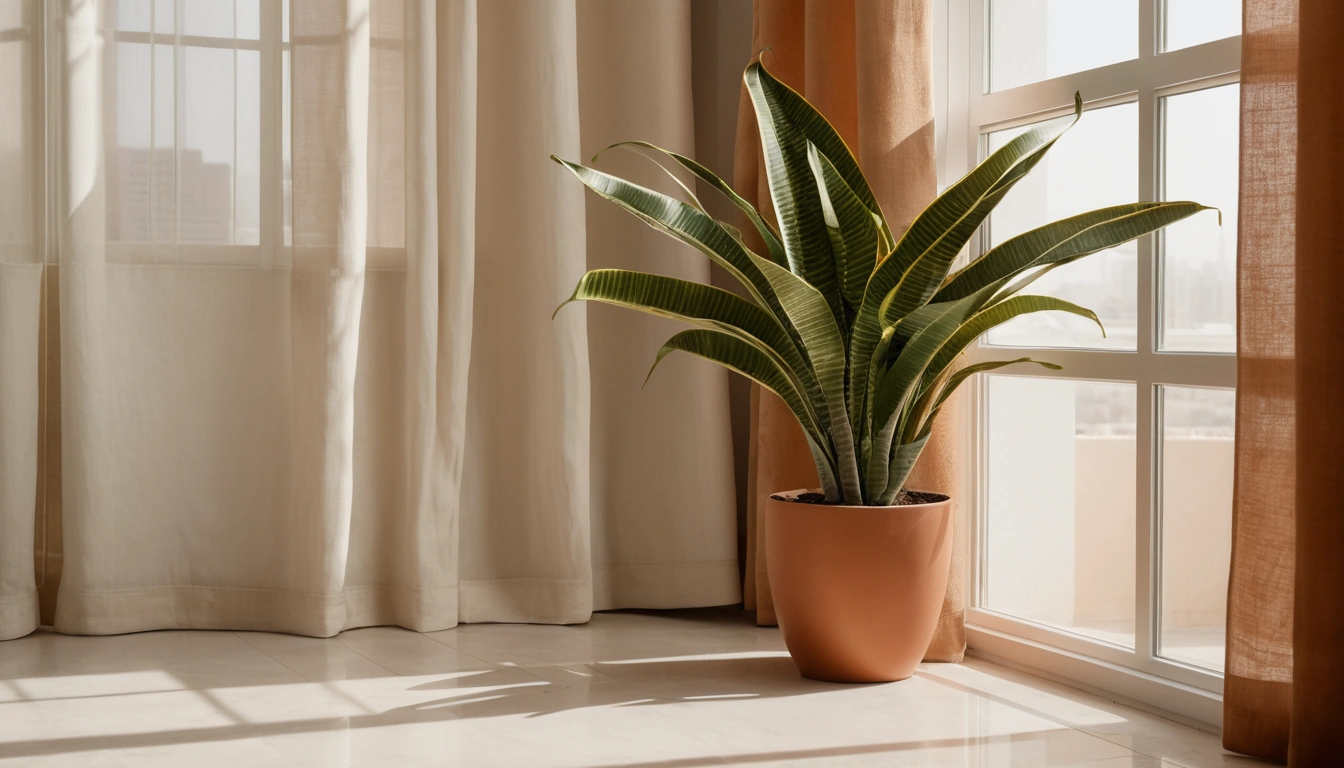
Air-conditioning is a desert of its own: dry, draughty, dim in the corners. Most houseplants sulk in it. A reliable few genuinely do not mind, and they are the ones worth buying twice.
For most of the year the air you breathe at home has passed through one machine. It keeps its side of the bargain only if somebody looks after it.
The default villa garden is a lawn on life support. There is another way to plant, one that takes its cues from the ghaf tree rather than the golf course.
Apartments across the city are stripped back to concrete every week, most of them legally. The paperwork that makes it legal is shorter than its reputation, provided you start it before the contractor does.