Made, Not Bought: Commissioning Custom Furniture in Dubai
Between Al Quoz and Ras Al Khor sits a workshop economy that can build almost anything. The difference between a commission you keep for decades and one you regret is decided before the saw starts.
, Dubai
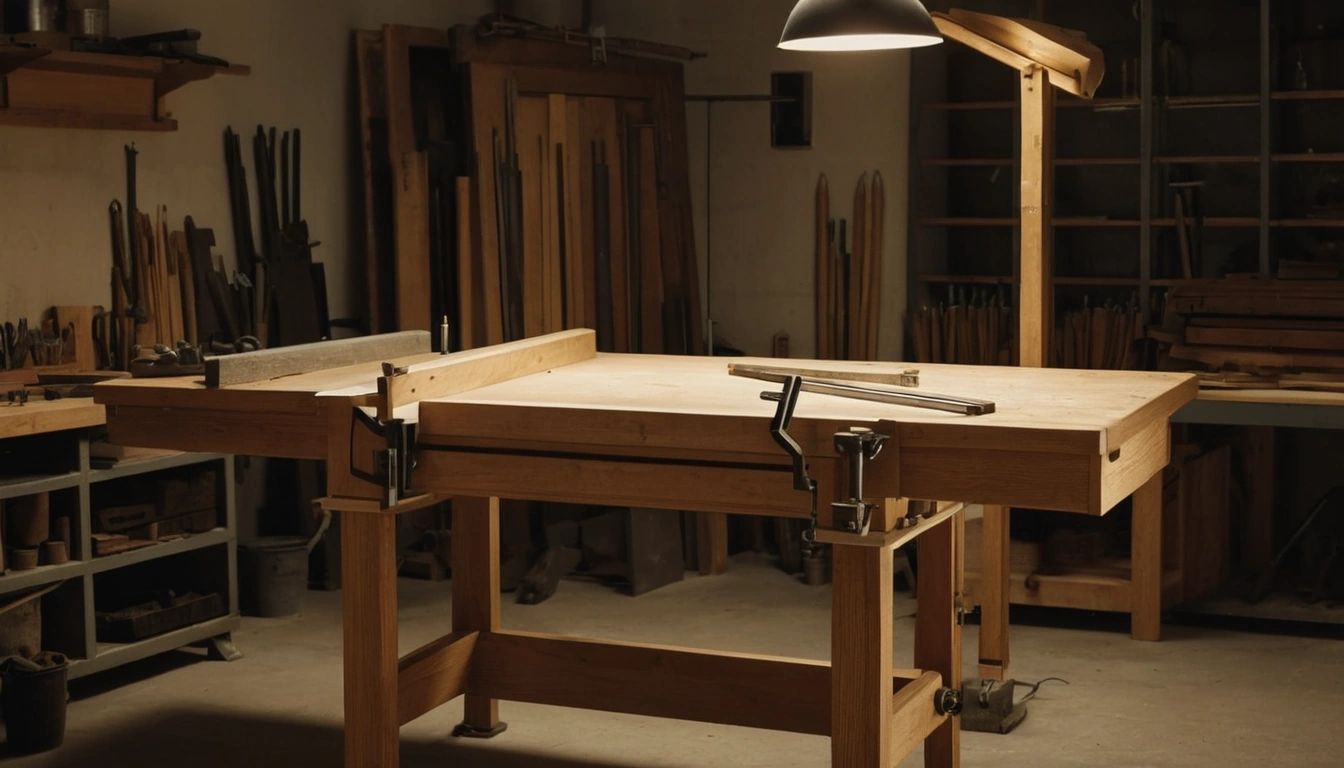
The showrooms along Sheikh Zayed Road will sell you an approximation of almost anything, delivered on Thursday. What they cannot sell is a piece built to your wall, your ceiling void, your fabric and your grandmother’s brass tray collection. That is what the workshop districts are for. Commissioning custom furniture in Dubai is cheaper than its reputation, slower than its salesmen admit, and better than either, provided the brief is done properly. The city’s making economy is real; the skill is in using it.
What the workshops actually do well
Al Quoz and Ras Al Khor hold most of it: joinery shops, upholsterers, metal fabricators, stone yards and spray booths, often within a few streets of each other, which is why a single commission can pass through four workshops before it reaches your lift lobby. The standard of the best is high and the spread is wide, so finished examples and recommendations matter far more than websites.
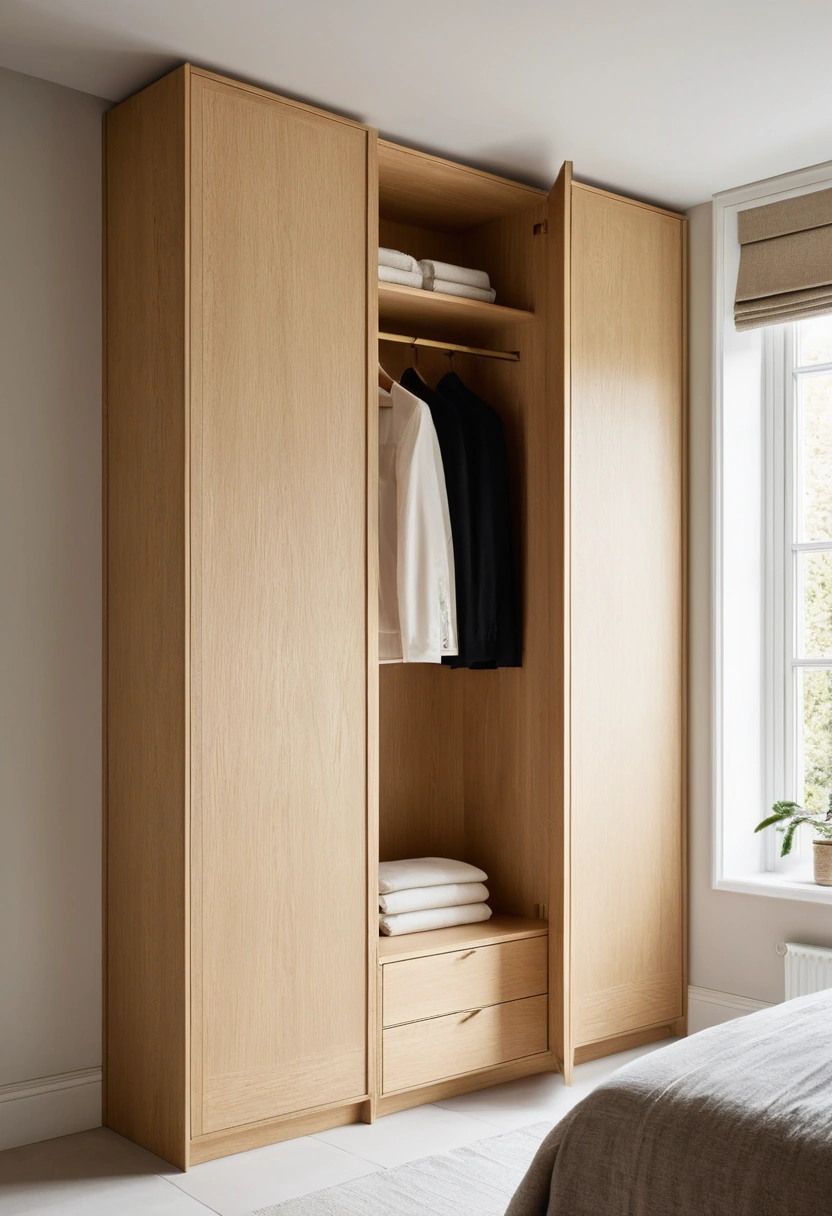
Where local making reliably beats retail is anything measured against a real wall: wardrobes scribed around bulkheads, banquettes for awkward bays, media walls, and a majlis sized to its actual room rather than to a showroom floor plan. Upholstery is another quiet strength; frames can be rebuilt, foams specified by density and covers made removable, none of which retail furniture offers. Metal-and-stone pieces, brass bases under marble tops, come out particularly well because the trades sit side by side.
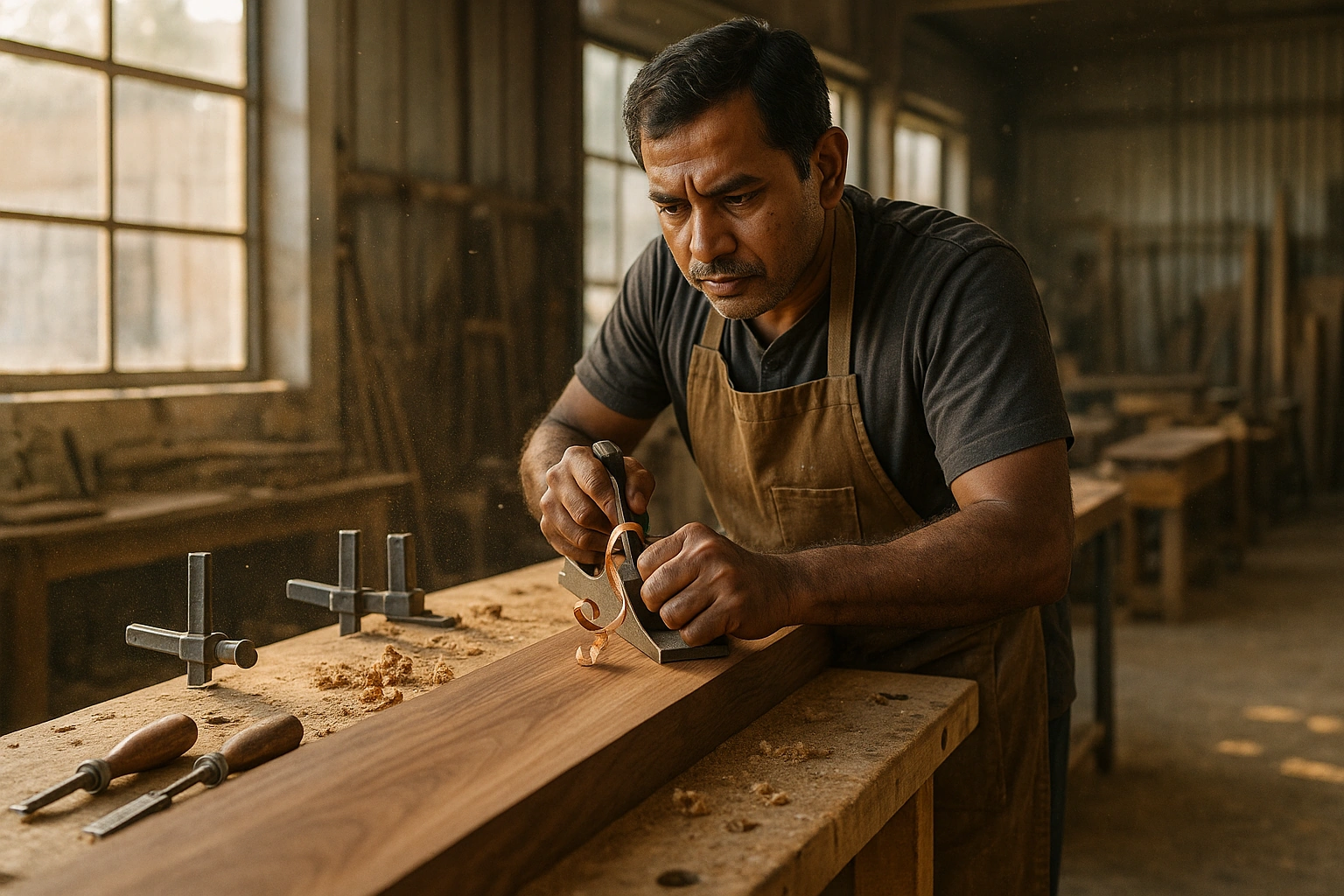
Visiting before you commit tells you more than any portfolio. A serious shop has dust extraction that works, hardware in labelled drawers rather than a heap, a spray booth that is actually sealed, and half-finished pieces you can open, tip and inspect. Ask to see something at carcass stage, before finish hides the joinery, and ask who on the floor will build yours; the answer distinguishes a workshop from a broker with a business card.
The brief is the commission
A joiner is not a mind reader, and “something like this photo” is how regrets begin. Arrive with dimensioned drawings, even hand-drawn ones with real measurements; reference photographs for silhouette; and decisions, not moods, about materials. Specify the species and whether you want veneer or solid timber, and read up on how solid timber behaves in this climate before insisting on the latter, because honest workshops will steer large panels towards veneered board for good reason.
Finishes and hardware deserve the same precision. Name the sheen (matt lacquer and oiled finishes age best here), ask for finish samples on your actual timber before spraying, and insist on branded European soft-close hardware rather than the anonymous equivalent, which is where cheap quotes hide. For built-in work, remember that anything fixed to walls or touching services can fall under the approvals that govern renovation work in many buildings; confirm with your owners association before the workshop starts cutting.
Lead times and money, honestly hedged
Anyone quoting an exact delivery date at the first meeting is guessing. As orientation: a straightforward freestanding piece is often quoted at several weeks; fitted wardrobes and media walls commonly run between four and eight weeks once drawings are approved; a full majlis or dining suite can take longer, and everything slows before Ramadan and Eid, when every workshop in the city is finishing someone’s living room. Build slack into any date that involves a tenancy or a party.
Payment usually follows a deposit-and-balance pattern, often around half up front, and the useful discipline is to tie the balance to stages you can verify: drawings signed, carcass inspected, finish sample approved, delivery made. A workshop that resists staged payments is telling you something.
Delivery day deserves its own checklist. Doors and drawers should run true before the fitters leave, finish should be inspected in daylight rather than under a phone torch, and any site touch-ups should be noted in writing with a date for return. Good workshops expect this and schedule a follow-up visit once the piece has settled; the climate moves timber in its first weeks, and a tune-up after a month is normal practice, not an admission of failure.
Where the import still wins
Local making is not always the answer. Complex mechanisms, sofa beds, recliners, engineered slide and hinge systems, are factory territory; so are certified foams and fire-rated fabrics at scale, and so is anything whose value lies in the original designer’s name, since a copy is a copy however good the joinery. Flat-pack economics are also unbeatable for pieces you intend to leave behind at the next move.
The import’s weakness is the climate and the wall. Solid timber shipped from temperate factories arrives into refrigerated dryness it was never conditioned for, and no catalogue piece will ever meet a bulkhead neatly. Small flats feel this most keenly; small apartments reward built-in thinking, and built-ins are precisely what cannot be shipped.
Five questions before you sign
Most commissioning regrets trace back to questions nobody asked. Five worth writing down before any deposit changes hands:
- Who produces the shop drawings, and do I sign them before cutting starts?
- What timber or board, from which supplier, and how has it been dried?
- What finish system, how many coats, and can I see it on a sample of my timber?
- What happens if a door warps or a joint opens within the first year?
- What is the payment schedule, and which verified stage does each payment unlock?
A workshop that answers all five patiently is very likely to build you something the showrooms cannot. The point of custom furniture in Dubai was never price; it is that the piece fits the room, the climate and the household it was made for, which is a definition of luxury the catalogues have never managed.