Solid Wood Furniture in Gulf Humidity: A Survival Guide
Coastal damp on one side of the glass, refrigerated air on the other: the Gulf asks more of timber than almost anywhere. The right species, details and patience will get a table through decades of it.
, Dubai
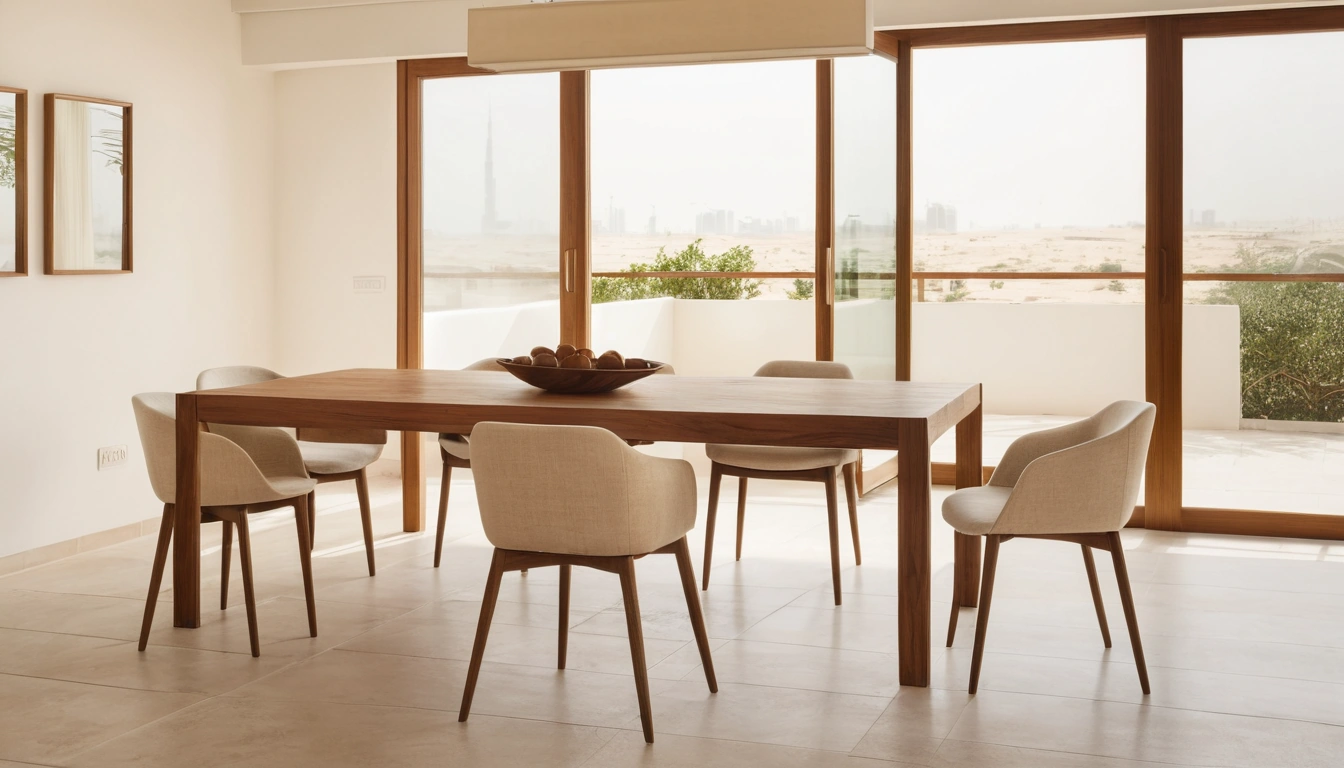
Timber never stops moving. It takes on moisture and swells, gives it up and shrinks, and it does both across the grain far more than along it, which is why boards cup and joints open rather than whole tables growing evenly. Solid wood furniture in Gulf humidity lives inside an unusually violent version of that cycle: salt-laden coastal air on one side of the glass, refrigerated dryness on the other, and a delivery journey between the two measured in minutes. None of this dooms a good piece. It does punish a careless one.
Two climates separated by a pane of glass
Outdoor air on the coast spends much of the year warm and heavily loaded with moisture, and anything stored in an uncooled warehouse or a shipping container sits in that atmosphere for weeks. Indoor air is the opposite country: air-conditioning strips moisture as it cools, and a sealed, continuously conditioned apartment can hold its air at a dryness closer to a northern winter than to the sea outside the window.
Furniture crosses that border once at delivery and then lives on it. Every holiday when the system is set back or switched off, the room drifts humid; every return snaps it dry again. The cycling, more than either extreme, is what opens joints and checks table tops, which is one reason a well-serviced air-conditioning system holding steady conditions counts as furniture care as much as comfort.
Measurement beats guesswork. A basic hygrometer costs little and tells you what your rooms actually do across a week, which is worth more than any general claim about the climate; if the reading swings hard between occupied and empty days, your timber is feeling every swing with you. Owners who travel through summer can leave the system holding a moderate setting rather than switching it off, a small bill for a large kindness to everything wooden in the flat.
Species that cope, species that sulk
The survivors are mostly the oily and the stable. Teak is the reference point: naturally oily, modest in its movement and long proven in marine use, it tolerates the Gulf’s swings better than almost anything, with iroko behaving as its harder-wearing understudy. White oak does well with caveats; it is reasonably stable when properly kiln-dried and quartersawn, though it wants a good finish and distance from direct sun. Walnut is usable with care.
Sufferers are predictable too. Beech moves a great deal and is happier as chair frames than table tops; maple and other tight temperate species can be restless; and any timber sold without a straight answer about kiln drying should be treated as suspect. Ask what moisture content the stock was dried to; interior work is commonly dried into single figures, and a supplier who cannot answer has answered.
Veneer is not a confession
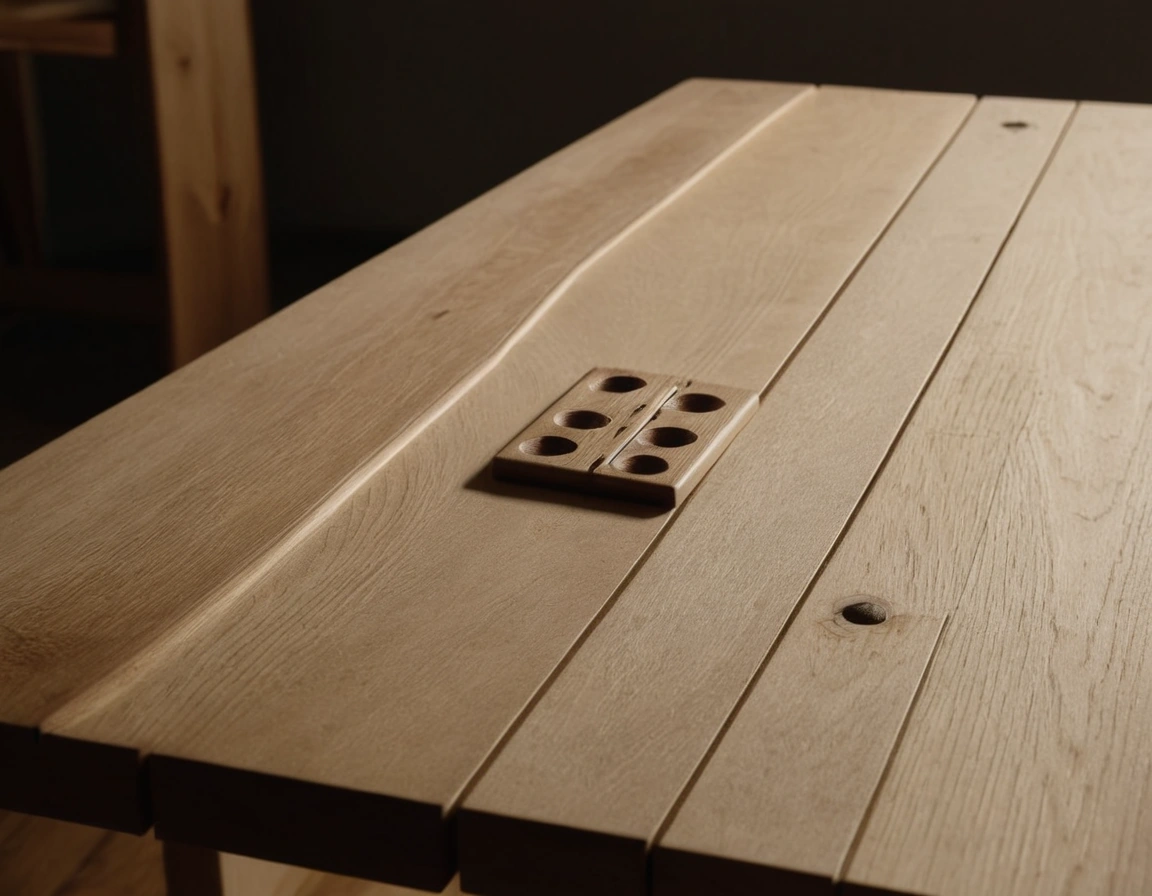
Purism about solid timber is a temperate luxury. A quality veneer over a stable engineered core is the correct engineering answer for wide flat surfaces here, wardrobe doors, table leaves, wall panelling, because the core barely moves while real timber still provides the face. Reserve solid stock for what it does best: legs, frames, edges, carved work and tops you genuinely intend to sand and refinish over decades. A capable local workshop will suggest exactly this split without being asked, which is one of the signs you have found a good one.
Edges give the game away, so ask for solid lippings on veneered doors and tops; they take the knocks veneer cannot and allow a re-sand later. The combination of stable core, real face and solid edges is not a compromise but the standard construction of most serious furniture sold anywhere humid.
Details and finishes that buy a decade
Construction decides whether movement becomes damage. Frame-and-panel doors let the panel float free in its grooves instead of splitting; table tops should be fixed with slotted or button fixings that allow seasonal travel; quartersawn boards move roughly half as much across their width as flat-sawn ones. Finish both faces of every panel equally, since sealing one side and not the other invites a bow, and favour finishes that breathe and can be repaired, oils and matt lacquers, over thick films that crack and trap moisture beneath.
Placement is the unglamorous half of longevity. Keep solid pieces out of the direct blast of supply grilles and away from full afternoon glass; window treatments that tame afternoon sun protect timber as much as upholstery. Hard flooring tells on furniture too, since stone and porcelain floors near big glazing can hold solar heat under anything standing on them; the rug beneath a dining table is not only decorative.
Arrival is not installation
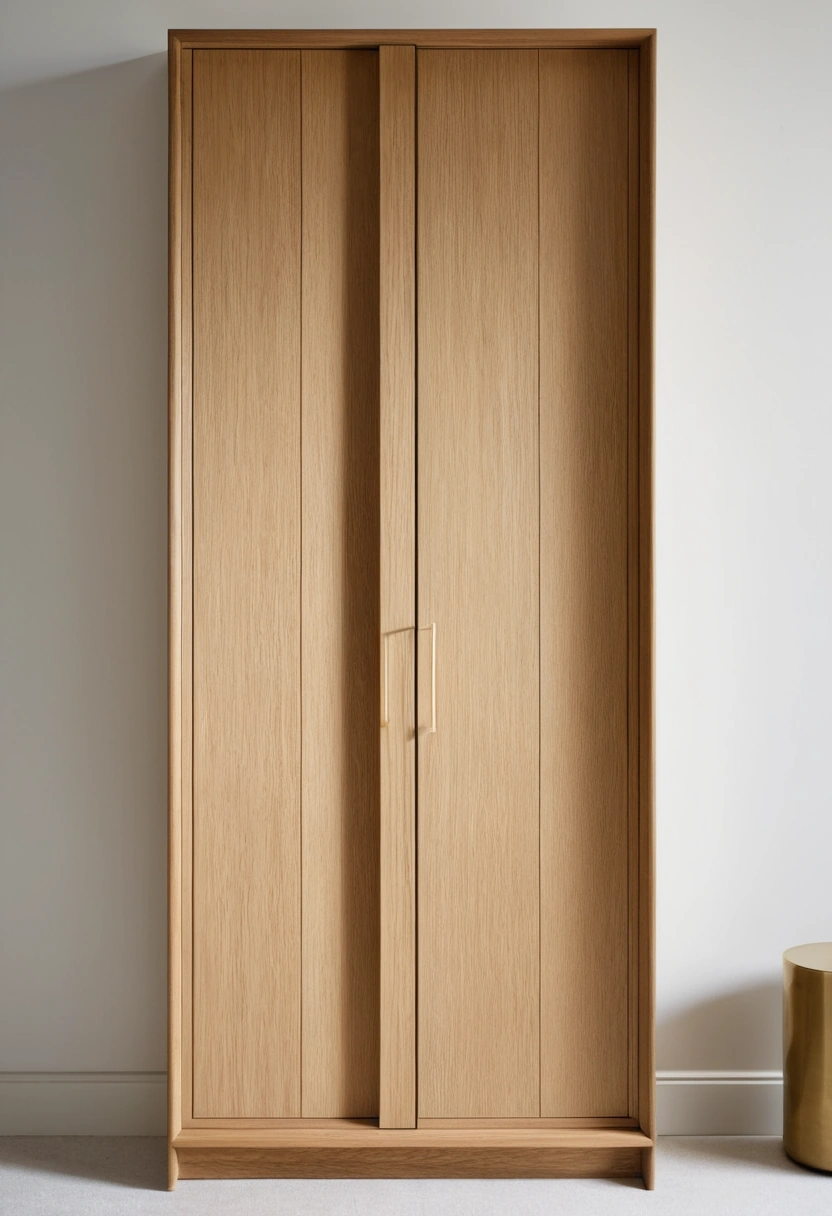
Give timber time. A piece that has crossed from a humid warehouse into a conditioned flat wants days, and ideally a couple of weeks, in the room where it will live before anything is fixed, hung or fitted tight, letting it finish its movement where the movement can do no harm. Unwrap it promptly; sealed plastic keeps the old climate around it. For built-in work, insist that panels acclimatise on site before final fitting, and treat any workshop that shrugs at the request with suspicion.
None of this is fragile-flower treatment. It is the same discipline boatbuilders have always applied: understand what the material does, then stop asking it not to. Choose an oily or quartersawn species, let panels float, finish both faces, hold the room steady and give the piece its fortnight of adjustment, and solid timber will outlast every fashionable object in the apartment, gathering exactly the patina everything else is trying to imitate.