Your AC Is the House: AC Maintenance in Dubai
For most of the year the air you breathe at home has passed through one machine. It keeps its side of the bargain only if somebody looks after it.
, Dubai

Strip away the joinery, the stone and the furniture, and a Dubai home is, functionally, a box of conditioned air. Everything else decorates that fact. Which is why AC maintenance in Dubai belongs in the same mental category as paying rent: not optional, not exciting, and much cheaper done on schedule than in arrears. A neglected system does not usually fail loudly. It drifts, growing a little weaker, a little wetter, a little dirtier, and presents the bill later through air quality, electricity and, eventually, a dead compressor in the exact week of August when every technician in the city is already booked.
Filters are a monthly habit, not a service call
Filters do the unglamorous work of standing between Gulf dust and your lungs, and they clog faster here than in most climates. During the dusty months, roughly spring through early summer when shamal winds carry the desert indoors, checking them monthly is reasonable; the rest of the year, every month or two usually suffices. Most washable filters slide out of the return grille in seconds and rinse clean under a tap. Dry them fully before refitting. This is genuinely a resident-level job in most apartments, and it is the highest-return item on the whole calendar: a clogged filter makes the fan work harder, the coil run colder and wetter, and the room take longer to cool, all at once.
Coils, drains and the stain that is a warning
Deeper cleaning belongs to a technician. The evaporator coil collects a film of dust and biological grime that no filter stops entirely, and a dirty coil is both a performance problem and the usual source of that musty smell on start-up. An annual professional service, sensibly booked before peak summer, typically covers coil cleaning, a refrigerant and electrical check, and a look at the fan and its bearings.
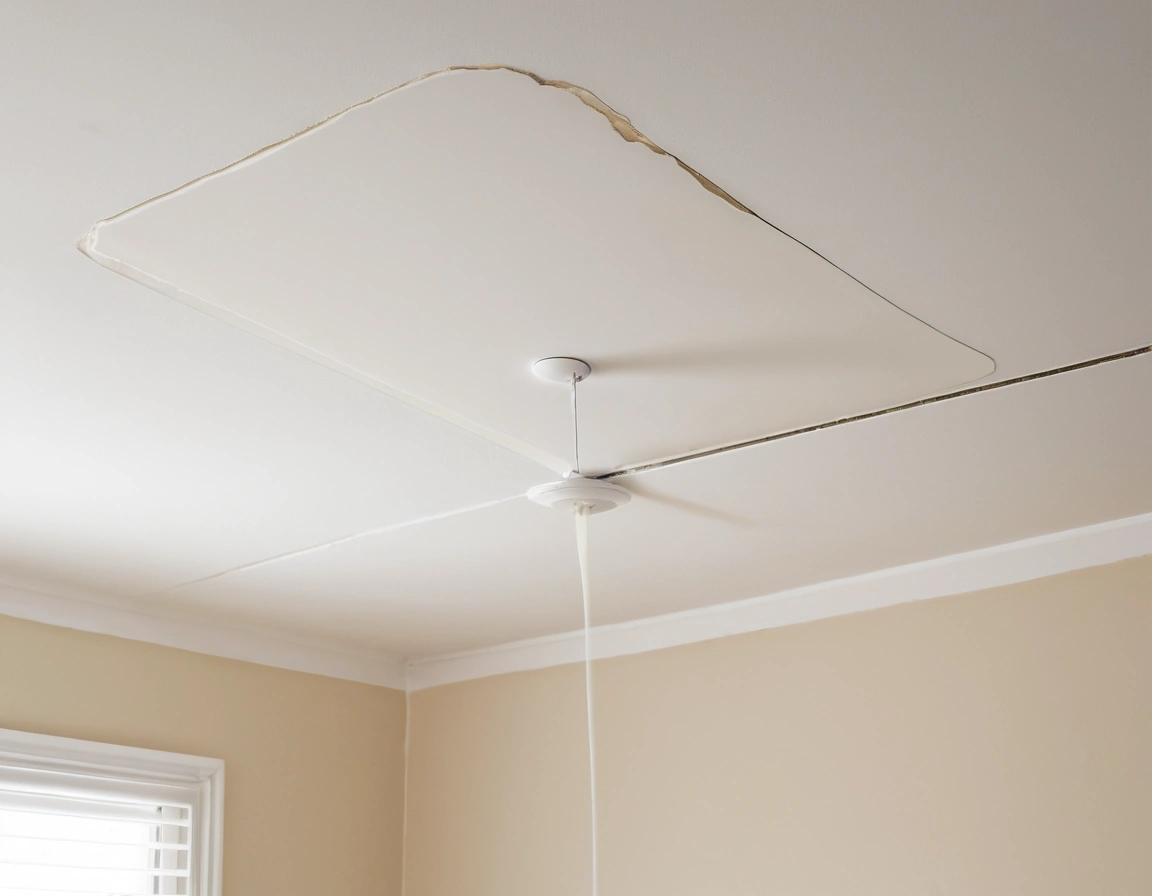
Condensate is the quiet menace. Cooling coils wring litres of water out of humid air every day, and all of it leaves through a small drain line that gradually gathers sludge. When the line blocks, water finds the ceiling instead. A spreading tea-coloured stain on gypsum below an AC unit is not decorating misfortune, it is a drain pan overflowing in slow motion, and it deserves a call the week you notice it rather than the month after. The same humidity that feeds the drain line works on everything else you own; it is half the story of what conditioned air does to timber.
Ducts, and how often is often enough
Duct cleaning attracts strong opinions and stronger sales pitches. The honest version: there is no single official interval, and companies commonly suggest anything from every two to every four years, with more frequent attention after renovation dust, when someone in the household has respiratory trouble, or when supply grilles show visible grime. A camera inspection is a better trigger than a calendar, and any firm quoting a price without looking inside a duct is quoting for a ritual, not a result. What is not in dispute is that ducts left open or disturbed during building work fill with fine dust the system then redistributes, which is one reason airflow deserves testing before you accept a flat at all, ideally during a patient handover snagging session.
Chilled water or DX, and why it matters to you
Two systems cool this city’s homes. Many towers and master communities run on chilled water, often supplied by a district cooling plant: cold water arrives from outside, a fan-coil unit in your flat blows air across it, and bills may split into consumption and capacity charges. Villas and older or smaller buildings more often use DX, direct-expansion systems, where refrigerant does the work in equipment that belongs entirely to you, outdoor condenser and all.
The distinction decides your responsibilities. Chilled-water residents mostly maintain the fan-coil side: filters, coil, condensate line, thermostat. DX owners also own a condenser that needs its own cleaning and, ideally, some shade, plus a refrigerant circuit that only licensed hands should touch. Ask which system you have on day one, because the answer changes who you call and what you pay for. Buildings vary, tenancy contracts vary, and the maintenance split between landlord, owners association and resident varies with them, so confirm yours rather than assuming.
Thermostat discipline, and the price of neglect
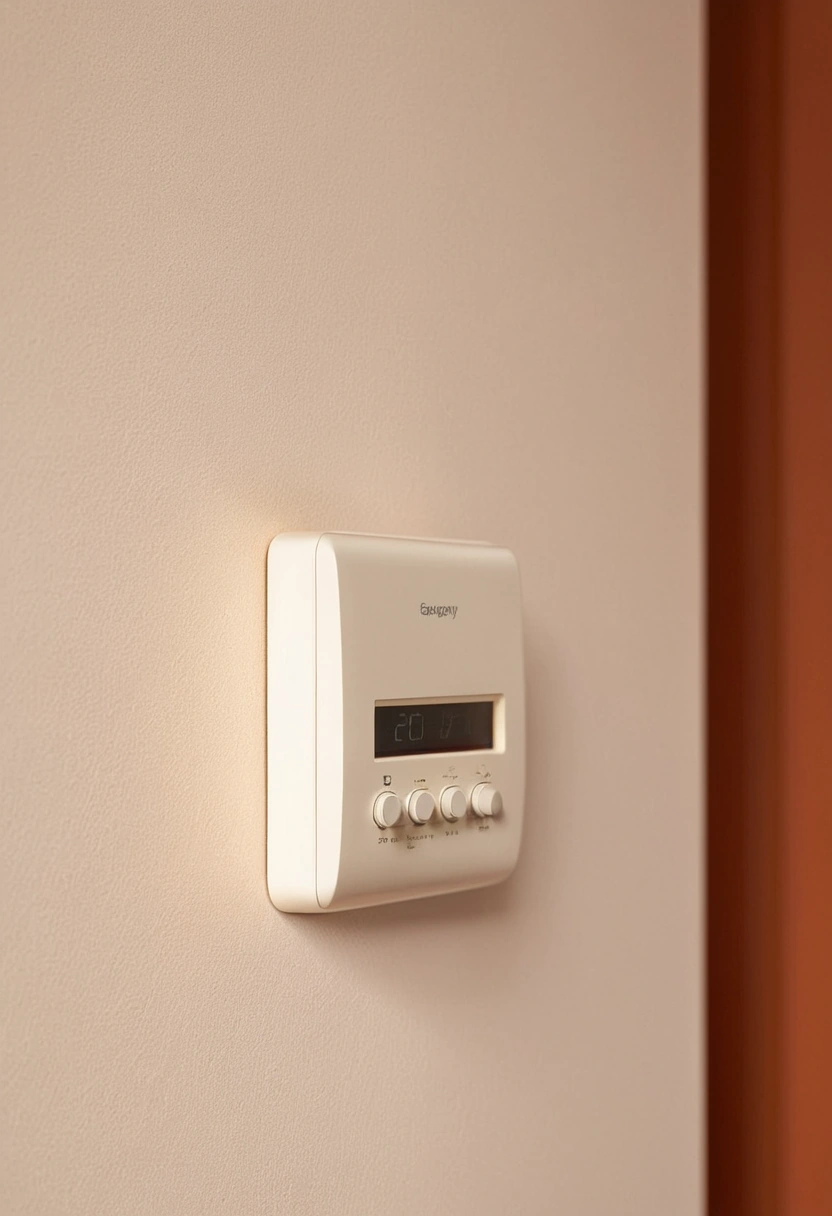
Setpoint behaviour is maintenance by other means. A steady 23 to 24 degrees costs meaningfully less than a swing between 16-degree blasts and hours switched off, because a system forced to claw a hot flat back down works at its hardest for its longest. Setback, not shutdown, is the rule when you leave for the day. A stable setpoint also holds humidity steadier, which your sleep notices before your bills do; there is a whole art to bedrooms built for August sleep, and none of it survives a struggling system. Holding steady gets easier when solar gain is tamed, where window treatments against harsh sun do quiet, unglamorous work.
Neglect, for its part, compounds. A dirty filter becomes a colder, wetter coil; the wet coil breeds the smell; the blocked drain stains the ceiling; the strained compressor draws more power for less cooling until it fails in the week everyone else’s is failing too. Cooling is the largest single share of a summer electricity bill here, so even a modest efficiency loss is real money, month after month. The calendar, one glance at a filter each month and one proper service each year, is cheap insurance on the only appliance the whole house depends on.