The Snag List for a New Apartment in Dubai
Handover day is a poor time to fall in love. Bring a charger, a coin, a torch and the patience to open every tap before you sign anything.
, Dubai

A new apartment at handover is a performance. The paint is fresh, the lights are on, the AC has been running since morning, and somebody has polished the taps. Your job is to interrupt the performance politely and find out what the flat is like when nobody is staging it. A methodical snag list for a new apartment in Dubai is how you do that: a room-by-room record of everything that does not work, does not fit or does not match what you bought, compiled before you accept the keys and while the developer still owns the problem.
The kit and the hour
Come during daylight, and book a slot that lets you stay well past an hour if you can. Handover appointments are often brisk by design; yours does not have to be. The kit is modest:
- a phone with a full battery, for photographs and video
- a charger, to test every socket in the flat
- a coin, for tapping tiles
- a marble or small ball, for checking floor falls
- a torch, for raking light across paint and inside cabinets
- masking tape, to mark each defect as you log it
Nothing on that list requires expertise. The expertise is patience, and the willingness to look slightly eccentric rolling a marble across a bathroom floor.
Doors, windows and the surfaces
Open and close every door twice, including wardrobe and balcony doors. Listen for scraping, watch for uneven gaps around the frame, and check that locks, handles and stoppers actually do their jobs. Windows deserve the same treatment plus one more test: with the window shut, run the torch around the seal and look for daylight, then run a hand along the inner frame after a dusty day if you can manage one. Fine dust indoors near a closed window is a seal telling you about itself, and it matters more here than in most cities; the climate that decides how facades cope with serious heat also probes every gasket on the building.
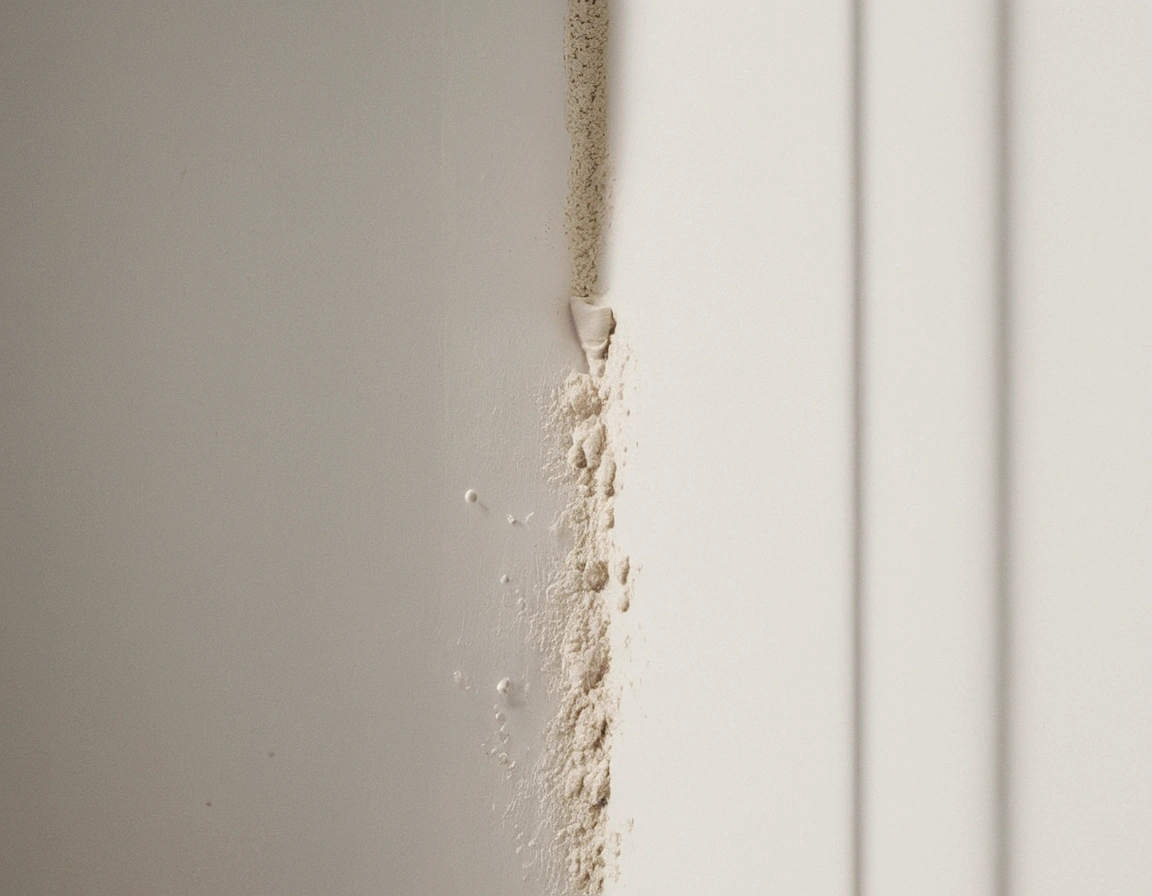
Paint rewards side light. Hold the torch flat against the wall and sweep; ripples, sanding marks, filled patches and roller edges appear at once. Tiles answer to the coin: tap across floors and walls and listen for the hollow note that means poor adhesive coverage underneath. A hollow tile is not cosmetic, it is a future crack, and it is far easier to have replaced now than after your furniture arrives.
Water, air and the invisible services
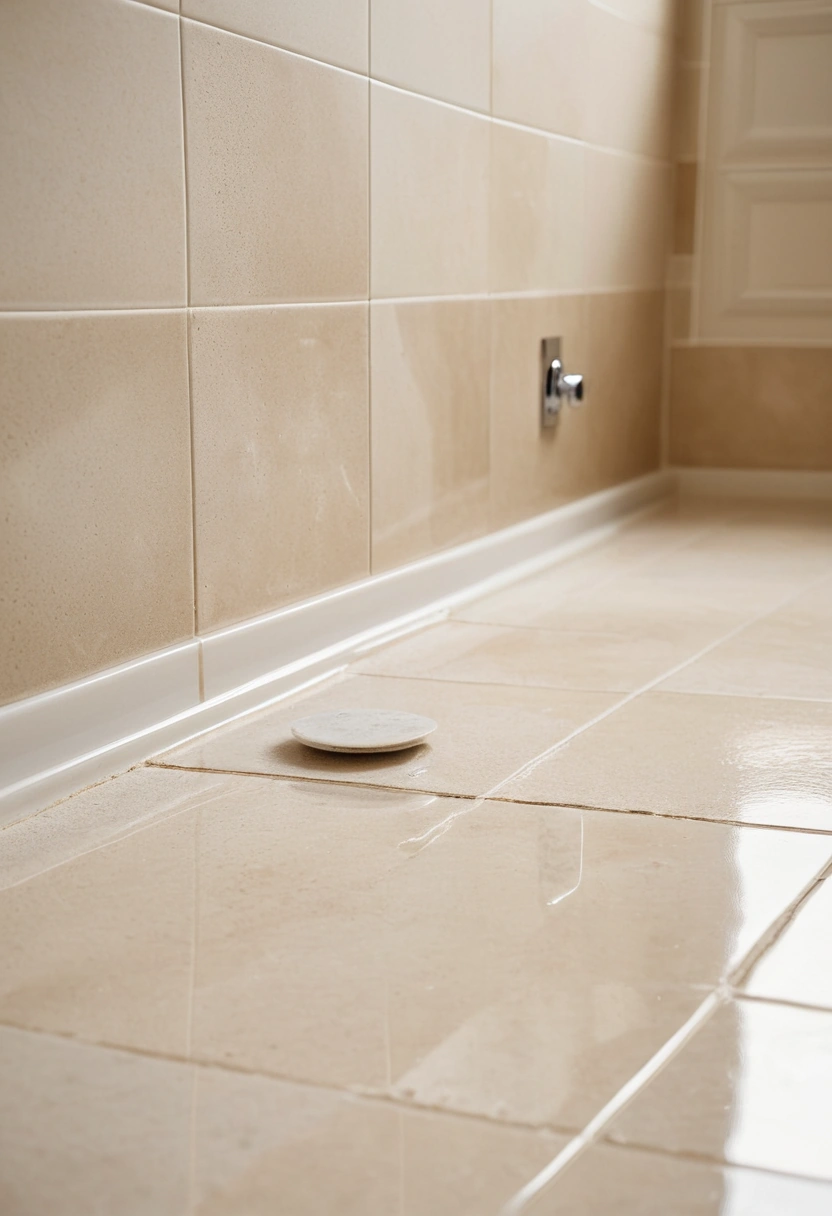
Bathrooms are where snags hide in plain sight. Run every tap and the shower for several minutes, then watch the floor: water should find the drain on its own. Roll the marble; if it settles in a corner away from the drain, the fall is wrong, and standing water in a Gulf bathroom is a mould subscription. Check the silicone lines, flush every cistern twice, and look under basins for weeping joints while the water is still running. Test the washing machine tap and any concealed outlet points as well, since a slow weep behind a cabinet can go unnoticed for months.
Air-conditioning deserves ten unglamorous minutes. Feel for airflow at every supply grille, then change the thermostat setpoint and confirm the system actually responds rather than merely displaying obedience. Uneven airflow between rooms, rattling grilles or a thermostat that changes numbers without changing anything are all worth logging now, because a system that starts wrong never quite catches up, whatever the maintenance calendar it follows later. Sockets take the charger test, light switches take thirty seconds each, and the balcony drain takes a bottle of water poured straight into it.
Paper, photographs and the liability window
Document like a loss adjuster. Photograph every defect with something for scale, keep a numbered list matching tape marks to photos, and insist the record enters the developer’s snagging system in writing rather than as a verbal promise. Video earns its place for anything that moves or sounds wrong; a scraping door or a rattling grille is far harder to dispute in motion than in prose. Defect liability exists here as a general concept: sale contracts commonly describe a period, often discussed as around a year for general defects with longer cover for structural matters, during which the developer must make good. Treat every figure as contract-specific. The operative version is whatever your own sale and purchase agreement says, so read it, and confirm anything unclear before signing the handover form.

Keep the record after handover too. It becomes the baseline for later disputes, and it is surprisingly useful years on, when you plan changes and need to know what the flat looked like untouched; the first thing the approvals process for later alterations benefits from is an honest photographic history.
Come back at a different hour
One visit is a sample, not a survey. Return at a different time of day before you finalise the list. Afternoon sun through west glazing exposes paint and glass flaws the morning hid, and it tells you the truth about heat gain in the rooms you will use most, useful intelligence when you later choose window treatments against that sun. Evening reveals how the cooling copes when the whole building is home and the load is real, and whether corridor noise or plant-room hum crosses your walls. Night is when you discover which lights buzz.
None of this is adversarial. Developers expect snagging, the good ones respond quickly, and a flat that passes a patient inspection is a flat you can stop worrying about. The hour you spend with a coin and a torch is the cheapest professional service you will ever perform for yourself.